
University of Louisiana at Lafayette
Search results: 879
Printmaking is both a tool and artistic practice that brings images to the pubic through illustrated books, newspapers, and through the production of artistic prints. The invention of the Gutenberg press helped transform Italy during the Renaissance period and during the 15th century prints were mass produced and created for the middle and lower class providing access to reproductions of artworks produced by artists such as Leonardo, Michelangelo, and Titan.
Students in this course will be explore the development and the influence of the Renaissance period in Florence had upon both the art of printmaking and the formation of the new career of printmaker during the late fifteenth century and throughout the sixteenth century in Italy. Students will also be exposed to historical prints and drawings that explore the context of related paintings, sculpture, and architecture, describing a period when printmaking opened up new ways to make a living and transformed the mechanisms of Renaissance visual culture.Students will study works Giovanni Pietro da Birago, Cornelis Cort, Mantegna, Durer, Leonardo, Michelangelo, Donatello, among others from the Renaissance period.
Additionally, students will also read scholarship that surrounds the development of the Renaissance period, its relationship to printmaking, along with the history of printmaking.
Students in this course will be explore the development and the influence of the Renaissance period in Florence had upon both the art of printmaking and the formation of the new career of printmaker during the late fifteenth century and throughout the sixteenth century in Italy. Students will also be exposed to historical prints and drawings that explore the context of related paintings, sculpture, and architecture, describing a period when printmaking opened up new ways to make a living and transformed the mechanisms of Renaissance visual culture.Students will study works Giovanni Pietro da Birago, Cornelis Cort, Mantegna, Durer, Leonardo, Michelangelo, Donatello, among others from the Renaissance period.
Additionally, students will also read scholarship that surrounds the development of the Renaissance period, its relationship to printmaking, along with the history of printmaking.
- Teacher: Brian Kelly
Category: College of Liberal Arts
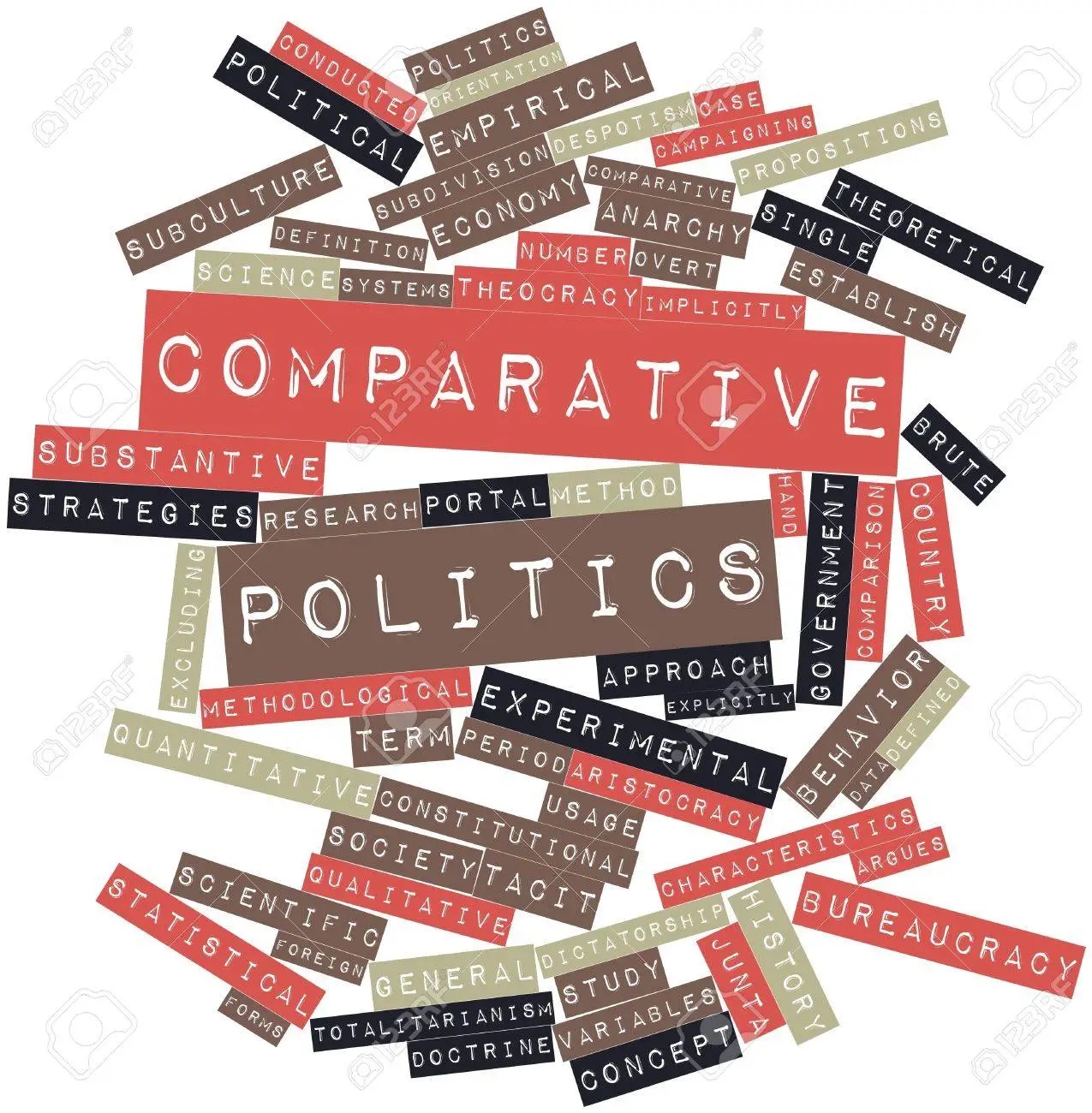
Why do some countries hold elections while others do not? Why are some states able to provide security and welfare to their citizens while others struggle to do so? Why are some countries plagued by violence while others enjoy internal peace? These questions have long animated the field of comparative politics and are among the several of which we will explore this semester.
This course will provide students with a firm foundation in the sub-field of comparative politics, preparing them for further analysis of politics around the world and across contexts. The course has two main objectives:
1. To familiarize students with the importance of theory and research design for describing, explaining, and understanding political processes. After taking this course, students should be able to distinguish between different theoretical explanations and evaluate the merit of evidence used to support them.
2. To provide students with an overview of key topics and debates in comparative politics. Students should be able to understand the basis of these debates as well as take and support positions on them.
This course will provide students with a firm foundation in the sub-field of comparative politics, preparing them for further analysis of politics around the world and across contexts. The course has two main objectives:
1. To familiarize students with the importance of theory and research design for describing, explaining, and understanding political processes. After taking this course, students should be able to distinguish between different theoretical explanations and evaluate the merit of evidence used to support them.
2. To provide students with an overview of key topics and debates in comparative politics. Students should be able to understand the basis of these debates as well as take and support positions on them.
- Teacher: Shaun Williams
Category: Political Science
For centuries artists have looked to other artists and locations as resources for
inspiration and for interpretive exploration. Guided by individual interests and
artistic medium, students will examine and use the city of Italy’s landscape,
museums and culture as sources for creative exploration and research. This
course will give students a greater awareness of the role of drawing,
photography, painting, and printmaking as an investigative process in the
development of creative work and it’s use as an expressive means of
communication. This course will be divided between working on creative work on
location in Italy and utilizing the cities world class museums and galleries.
Students will also learn how to utilize a sketchbook/journal/phone in the
development of creative research, the documentation of the city, and a source for
the stimulation and development of ideas.
inspiration and for interpretive exploration. Guided by individual interests and
artistic medium, students will examine and use the city of Italy’s landscape,
museums and culture as sources for creative exploration and research. This
course will give students a greater awareness of the role of drawing,
photography, painting, and printmaking as an investigative process in the
development of creative work and it’s use as an expressive means of
communication. This course will be divided between working on creative work on
location in Italy and utilizing the cities world class museums and galleries.
Students will also learn how to utilize a sketchbook/journal/phone in the
development of creative research, the documentation of the city, and a source for
the stimulation and development of ideas.
- Teacher: Brian Kelly
Category: Honors
Printmaking is both a tool and artistic practice that brings images to the pubic through illustrated books, newspapers, and through the production of artistic prints. The invention of the Gutenberg press helped transform Italy during the Renaissance period and during the 15th century prints were mass produced and created for the middle and lower class providing access to reproductions of artworks produced by artists such as Leonardo, Michelangelo, and Titan.
Students in this course will be explore the development and the influence of the Renaissance period in Florence had upon both the art of printmaking and the formation of the new career of printmaker during the late fifteenth century and throughout the sixteenth century in Italy. Students will also be exposed to historical prints and drawings that explore the context of related paintings, sculpture, and architecture, describing a period when printmaking opened up new ways to make a living and transformed the mechanisms of Renaissance visual culture.Students will study works Giovanni Pietro da Birago, Cornelis Cort, Mantegna, Durer, Leonardo, Michelangelo, Donatello, among others from the Renaissance period.
Additionally, students will also read scholarship that surrounds the development of the Renaissance period, its relationship to printmaking, along with the history of printmaking.
Students in this course will be explore the development and the influence of the Renaissance period in Florence had upon both the art of printmaking and the formation of the new career of printmaker during the late fifteenth century and throughout the sixteenth century in Italy. Students will also be exposed to historical prints and drawings that explore the context of related paintings, sculpture, and architecture, describing a period when printmaking opened up new ways to make a living and transformed the mechanisms of Renaissance visual culture.Students will study works Giovanni Pietro da Birago, Cornelis Cort, Mantegna, Durer, Leonardo, Michelangelo, Donatello, among others from the Renaissance period.
Additionally, students will also read scholarship that surrounds the development of the Renaissance period, its relationship to printmaking, along with the history of printmaking.
- Teacher: Brian Kelly
Category: Honors
This section is for Theatre (THEA) students only.
- Teacher: Camille Bulliard
- Teacher: Dayane Mounsib
Category: Performing Arts
This course has additional cost. Learn more at online.louisiana.edu/get-started/tuition-cost. This section is reserved for students in the fully online programs of GSO, HPW, HSA, & RN-to-BSN.
- Teacher: Camille Bulliard
Category: Performing Arts
This course has additional cost. Learn more at online.louisiana.edu/get-started/tuition-cost. This section is reserved for students in the fully online programs of GSO, HPW, HSAO & RN-to-BSN.
- Teacher: Camille Bulliard
Category: Performing Arts
UNIV 100 has been designed to help you maximize your success in college by addressing a variety of issues that often lead to failure or withdrawal as well as providing students with information and strategies to enhance your academic success.
- Teacher: Farren Milton
Category: Office of 1st Year Experience
This course focuses on leadership as defined by and for males in the Black community. Topics will include differing definitions of “manhood,” expectations of black men (both within and outside of the black community), opinions of racial profiling, cross-generational differences, and more. We’ll look at role models for black men and discuss contemporary issues such as health awareness and disparities among black male populations, entrepreneurship, and financial literacy. Additionally, we’ll discuss interpersonal and political issues, including political activism, domestic violence, and respect towards women. Students in this course will engage in community service.
Course Learning Outcomes:
After successful completion of UNIV 100, students will be able to:
1. Think critically and develop solutions to issues presented in class through formulating appropriate questions, investigating various options, and evaluating these options for relevance and preference.
2. Express personal reflections and opinions through both written and oral media.
3. Investigate answers to questions posed in class by learning to locate information and critically assessing the relevance and value of the information.
Course Learning Outcomes:
After successful completion of UNIV 100, students will be able to:
1. Think critically and develop solutions to issues presented in class through formulating appropriate questions, investigating various options, and evaluating these options for relevance and preference.
2. Express personal reflections and opinions through both written and oral media.
3. Investigate answers to questions posed in class by learning to locate information and critically assessing the relevance and value of the information.
- Teacher: Matthew Miles
Category: Office of 1st Year Experience
UNIV 100 has been designed to help you maximize your success in college by addressing a variety of issues that often lead to failure or withdrawal as well as providing students with information and strategies to enhance your academic success.
- Teacher: Farren Milton
Category: Office of 1st Year Experience
UNIV 100 has been designed to help you maximize your success in college by addressing a variety of issues that often lead to failure or withdrawal as well as providing students with information and strategies to enhance your academic success.
- Teacher: Farren Milton
Category: Office of 1st Year Experience
This course has additional cost. Learn more at online.louisiana.edu/get-started/tuition-cost. This section has 20 seats reserved for GSO students.
- Teacher: Cherie Gastineau-Beshears
Category: Informatics
Camera required for concentration students. All students must have a laptop.
- Teacher: Stephanie Paine
Category: Visual Arts
Camera required for concentration students. All students must have a laptop.
- Teacher: Stephanie Paine
Category: Visual Arts

Camera required for concentration students. All students must have a laptop.
- Teacher: Stephanie Paine
Category: Visual Arts
This section is for Graphic Design concentration students only.
- Teacher: Jeffrey Lush
Category: Visual Arts
This section is for Graphic Design Concentration students only.
- Teacher: Jeffrey Lush
Category: Visual Arts
Camera required for concentration students. All students must have laptop computer.
- Teacher: Stephanie Paine
Category: Visual Arts