
University of Louisiana at Lafayette
Search results: 212
- Teacher: Logan Turner
- Teacher: Christopher Munson
- Teacher: Joseph Giavotella
- Teacher: Robert DiFabio
- Teacher: Gabriela Petculescu
- Teacher: Jason Maloy
This course is designed for college and university food service staff members and event coordinators. The course is designed to train services employees and event staff coordinators on how to prevent contamination from foodborne bacteria and parasites. The course will review harmful bacteria that cause foodborne illnesses, symptoms of various foodborne illnesses, types of foods where foodborne bacteria are found, how foods become contaminated, and ways to reduce the risk of contamination.
- Teacher: Carl Wininger
- Teacher: Courtney Yongue
Here you will find documents, resources, and announcement related to the UL Public History Program.
Your main points of contact are:
Dr. Ian Beamish, Director of Public History, ian.beamish@louisiana.edu
Sarah I. Rodriguez, Associate Director of Public History, sarah.rodriguez@louisiana.edu
- Teacher: Ian Beamish
- Teacher: Jacob Gautreaux
- Teacher: Michael Martin
- Teacher: Marissa Petrou
- Teacher: Sarah Rodriguez
- Teacher: Kaitlin Simpson
Introduction to the Data-Driven Business Solutions Module
Introduction
Welcome to the Data-Driven Business Solutions Module. This self-paced online module is designed for undergraduate business students who are looking to enhance their skills in using data to solve business problems. In today's data-centric world, the ability to analyze data and draw actionable insights is a critical skill for any business professional. This module will guide you through the process of identifying business problems, selecting and analyzing relevant data, developing data-driven solutions, and effectively communicating your findings.
Throughout this module, you will engage with various educational resources, including readings, videos, interactive activities, and quizzes. Each unit is structured to build upon the previous one, ensuring a comprehensive understanding of the data analysis process. Upon completion, you will take a comprehensive quiz to test your overall knowledge and application of the concepts learned.
Learning Objectives
By the end of this module, you will be able to:
Identify Business Problems:
- Understand and articulate various business problems that can be addressed through data analysis.
- Frame and define clear problem statements.
Select Relevant Data:
- Determine and justify the selection of appropriate data sources for specific business problems.
- Differentiate between qualitative and quantitative data and understand their uses.
Analyze Data Effectively:
- Apply descriptive and inferential statistical techniques to analyze data.
- Use software tools such as Excel, Tableau, and SPSS for data analysis and visualization.
Develop Data-Driven Solutions:
- Interpret data insights to formulate actionable solutions to business problems.
- Create strategic plans and recommendations based on data analysis.
Communicate Findings:
- Develop effective communication strategies to present data findings.
- Use visual aids and storytelling techniques to convey insights to stakeholders.
- Create professional visual reports and interactive dashboards.
- Teacher: Dione Davis

- Teacher: Shaun Williams

- Teacher: Shaun Williams
- Teacher: Gaetan Brulotte
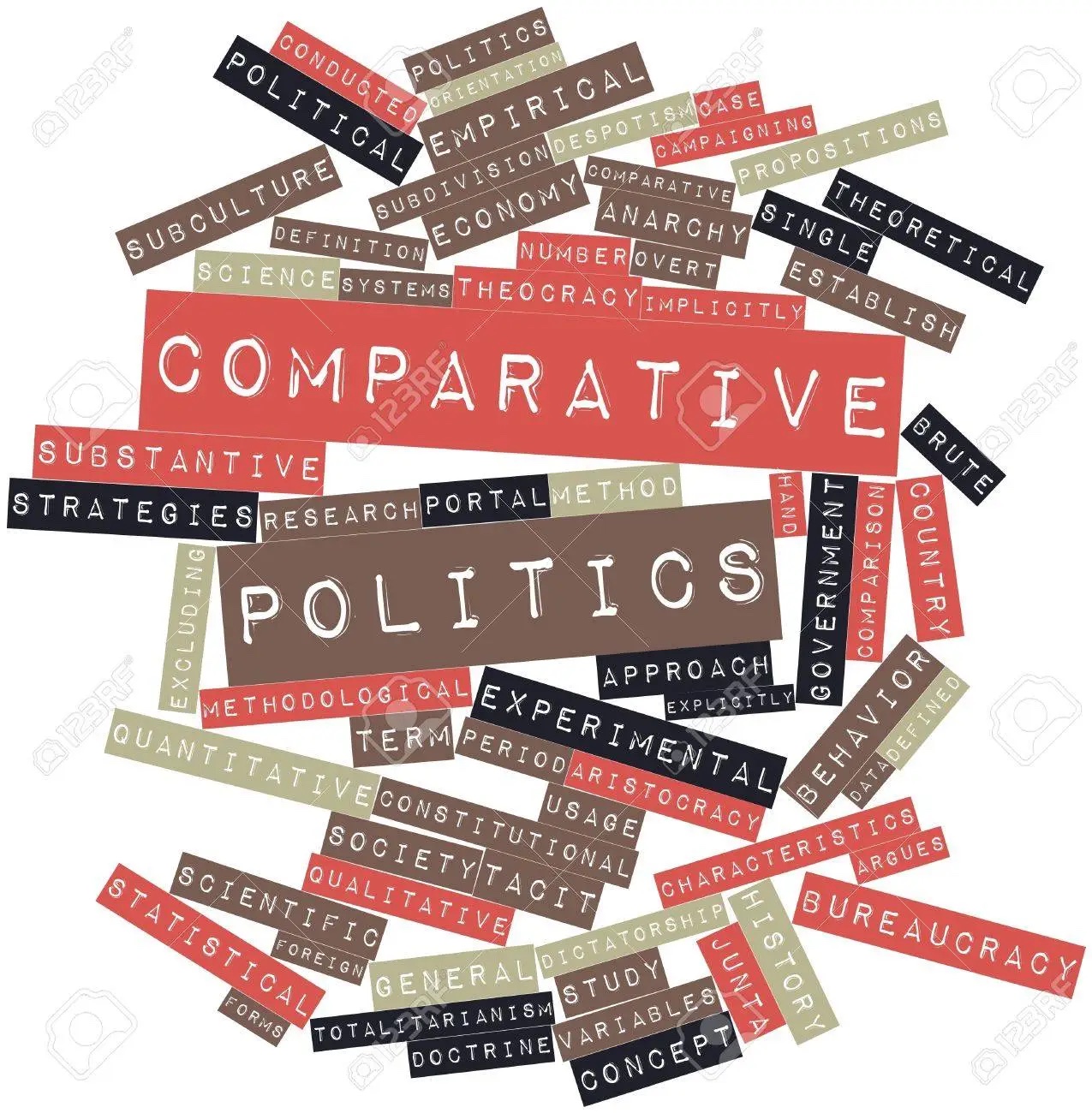
This course will provide students with a firm foundation in the sub-field of comparative politics, preparing them for further analysis of politics around the world and across contexts. The course has two main objectives:
1. To familiarize students with the importance of theory and research design for describing, explaining, and understanding political processes. After taking this course, students should be able to distinguish between different theoretical explanations and evaluate the merit of evidence used to support them.
2. To provide students with an overview of key topics and debates in comparative politics. Students should be able to understand the basis of these debates as well as take and support positions on them.
- Teacher: Shaun Williams
- Teacher: Jason Maloy
- Teacher: Jason Maloy
- Teacher: Jason Maloy
- Teacher: Jason Maloy

- Teacher: Thomas Cline
- Teacher: Sarah Young

- Teacher: Thomas Cline
- Teacher: Sarah Young
- Teacher: Lisa Bowles