
University of Louisiana at Lafayette
Search results: 212

This site supports Advance Student Research Experience (SRE) Pathway Development. Each program/department will design ASRE Pathways that will guild students seeking to increase their exposure to SREs in their disciples. ASRE Pathways are Program-Based Undergraduate Research Experiences (PURE) that will track student progress as they seek, learn, and in some cases implement an SRE. Tracking student progress will also allow each program to assess the student's success and therefore the success of each PURE.
- Teacher: Todd Henry
- Teacher: Sherry Krayesky
- Teacher: Jessica Thibodeaux
- Teacher: Jessica White-Sanders
The studio projects will continue development and exploration of design abilities
introduced in previous studio courses including design process and development,
theoretical and conceptual analysis as well as verbal and visual presentation skills.
Project issues will increase in scope and complexity integrating a variety of skills and
knowledge from coursework and sources external to the studio. ARCH 302 is the
second Professional level of studios and as such, greater individual responsibility for
one’s own project is expected.
- Teacher: William Gjertson
- Teacher: Thomas Sammons
- Teacher: Sarah Bower
- Teacher: Leah Dawsey
- Teacher: Charley Minyard Pike
- Teacher: Sarah Bower
- Teacher: Leah Dawsey
- Teacher: Charley Minyard Pike
- Teacher: Sarah Bower
- Teacher: Leah Dawsey
- Teacher: Charley Minyard Pike
- Teacher: Leah Dawsey
- Teacher: Jenn Lane
- Teacher: Katie Potier
- Teacher: Rachel Granier

- Teacher: Bryce Lavergne
- Teacher: Ivan Moberly

- Teacher: Ivan Moberly
- Teacher: Shubham Yadav

- Teacher: Ivan Moberly
- Teacher: Shubham Yadav

- Teacher: Havisha Dinesh
- Teacher: Ivan Moberly

- Teacher: Bryce Lavergne
- Teacher: Ivan Moberly

- Teacher: Jesse Miranda De Figueiredo Filho
- Teacher: Ivan Moberly

- Teacher: Jesse Miranda De Figueiredo Filho
- Teacher: Ivan Moberly

- Teacher: Matthew Brander
- Teacher: Ivan Moberly

- Teacher: Matthew Brander
- Teacher: Ivan Moberly
- Teacher: Chase Edwards
- Teacher: Sarah Skinner
- Teacher: Dilip Depan
Formerly CHEE 510
- Teacher: Emmanuel Revellame
- Teacher: Kathleen Knierim
- Teacher: Artavazd Badalyan
- Teacher: Gregory Saloom
- Teacher: Paula Broussard
- Teacher: Michelle Chiasson
- Teacher: Md Rakibul Hasan
- Teacher: Amber Esprite
- Teacher: Michelle Jeanis
- Teacher: Amber Esprite
- Teacher: Michelle Jeanis
- Teacher: Andre Williams

A student will be permitted to enroll in CMPS 260 and CMPS 261 a maximum of three times in each course.
- Teacher: Mohammad Farhad
- Teacher: Md Mehedi Hasan
- Teacher: Arun Kulshreshth
- Teacher: Sabbir Rahman
- Teacher: Martin Margala
- Teacher: Sahan Ahmad
- Teacher: MD Aminul Islam
- Teacher: Shamir Towsif Khandaker
- Teacher: Anna Jilla
- Teacher: Bailey Cauthen
- Teacher: Ryan Nelson
- Teacher: Xueao Cao
- Teacher: Judith Oxley
- Teacher: Jocelyn Ayala
- Teacher: Laura Roach
- Teacher: Natalie Douglas
- Teacher: Katharine Grandbois
- Teacher: Patrick Rydell
- Teacher: Bailey Cauthen
- Teacher: Ryan Nelson
- Teacher: Christine Weill
- Teacher: Patrick Rydell
- Teacher: Martin Margala
Welcome to "Understanding Culturally Dynamic Environments," a course designed to equip you with the essential knowledge and skills needed to navigate and thrive in today’s globalized world. As businesses continue to expand across borders, the ability to understand and adapt to diverse cultural contexts has become more critical than ever. This course will provide you with a comprehensive understanding of cultural dynamics, strategies for effectively managing cultural diversity, and the tools to apply theoretical concepts to real-world business challenges.
- Teacher: Dione Davis
- Teacher: Michael Crotty
The Designing Leaders program is a lecture series held every spring semester. Sessions include speakers who are carefully selected for their prestigious positions and involvement in the community and industry to provide you critical leadership knowledge. Past speakers have included presidents, CEO’s, and owners of large and small businesses. Politicians, published authors, state officials, inventors, and many more have also participated.
Participants will take part in discussions related to presentations given by experts regarding a wide variety of skills commonly associated with successful leaders. Participants will also learn about contracts, budgeting, writing proposals, public speaking, and much more.
- Teacher: Robin Hayes
- Teacher: Vanel Porter
- Teacher: Mark Zappi
- Teacher: Megan Breaux
- Teacher: Toby Daspit
- Teacher: Toby Daspit
- Teacher: Toby Daspit
- Teacher: Jodi Wilger

- Teacher: Jodi Wilger

- Teacher: Jodi Wilger
- Teacher: Elizabeth Hebert Grossie
- Teacher: Roslin Growe
- Teacher: Chalyn Smith
- Teacher: Chalyn Smith
- Teacher: Farhin Faruque
- Teacher: Chelsie Sanders
- Teacher: Chelsie Sanders
- Teacher: Helen Brew
- Teacher: Hossain Md. Arafat
- Teacher: Nonah Palmer
- Teacher: Amoge Bridget Atama
- Teacher: Mahmudul Hassan
- Teacher: Catelyn Errington
- Teacher: Hallie Fogarty
- Teacher: Helen Brew
- Teacher: Vickie Peoples
- Teacher: Antora Abedin
- Teacher: Mahek Pathak
- Teacher: Hossain Md. Arafat
- Teacher: Amoge Bridget Atama
- Teacher: Nodi Islam
- Teacher: Mahmudul Hassan
- Teacher: Helen Brew
- Teacher: Vickie Peoples
- Teacher: Antora Abedin
- Teacher: Nusrat Jahan
- Teacher: Amber Wagoner
- Teacher: Nodi Islam
- Teacher: Md Nizam UL Hossain
- Teacher: Helen Brew
- Teacher: Vickie Peoples

- Teacher: Allyssa Veney
- Teacher: Nahida Poly
- Teacher: Nazlican Cafcav
- Teacher: Vickie Peoples
- Teacher: S M Saifullah
- Teacher: Nahida Poly
- Teacher: Harun Rashid
- Teacher: Allison Shaver

- Teacher: Sarah Gawronski

- Teacher: Sarah Meador
- Teacher: ELZahraa ELSabagh
- Teacher: Benjamin Porter

- Teacher: Sarah Gawronski
- Teacher: Nashia Karim
- Teacher: Queen Kanu
- Teacher: Tre' Knapp
- Teacher: Nuzhat Tarannum

- Teacher: Chibuike Egwu Ogbonnaya

- Teacher: Yazdan Mahmoudi
- Teacher: Muhaiminul Islam Neon
- Teacher: Clay Shields
- Teacher: Queen Kanu
- Teacher: Tre' Knapp

- Teacher: Sarah Gawronski
- Teacher: Meisam Khalilinejad
- Teacher: Lindsay Bourgeois
- Teacher: Queen Kanu

- Teacher: Sarah Gawronski

- Teacher: Diane Xavier de Sousa
- Teacher: Queen Kanu

- Teacher: Eva Hosking
- Teacher: Tre' Knapp

- Teacher: Negar Noofeli
- Teacher: Mithila Mumtaz
- Teacher: Tre' Knapp

- Teacher: Karleigh Peoples
- Teacher: John Harrelson

- Teacher: Charlene Caruthers
- Teacher: Jennifer Manuel
- Teacher: Jennifer Manuel
- Teacher: Jennifer Manuel
- Teacher: Jennifer Manuel
This course will cover American short stories from 1945-present. It will focus on close reading and historical context of each story. The short stories will be read and discussed, for the most part, in chronological publication of each story.
- Teacher: Leah Orr
- Teacher: Lydia Whitt
- Teacher: Randy Gonzales
- Teacher: Ipshit Idris
- Teacher: Md Sayem Bin Kashem
- Teacher: Ryan DeJean
- Teacher: Alessia Corami
- Teacher: Sadia Islam
- Teacher: Anna Paltseva
- Teacher: Jason Maloy

- Teacher: Shaun Williams
- Teacher: Jason Maloy
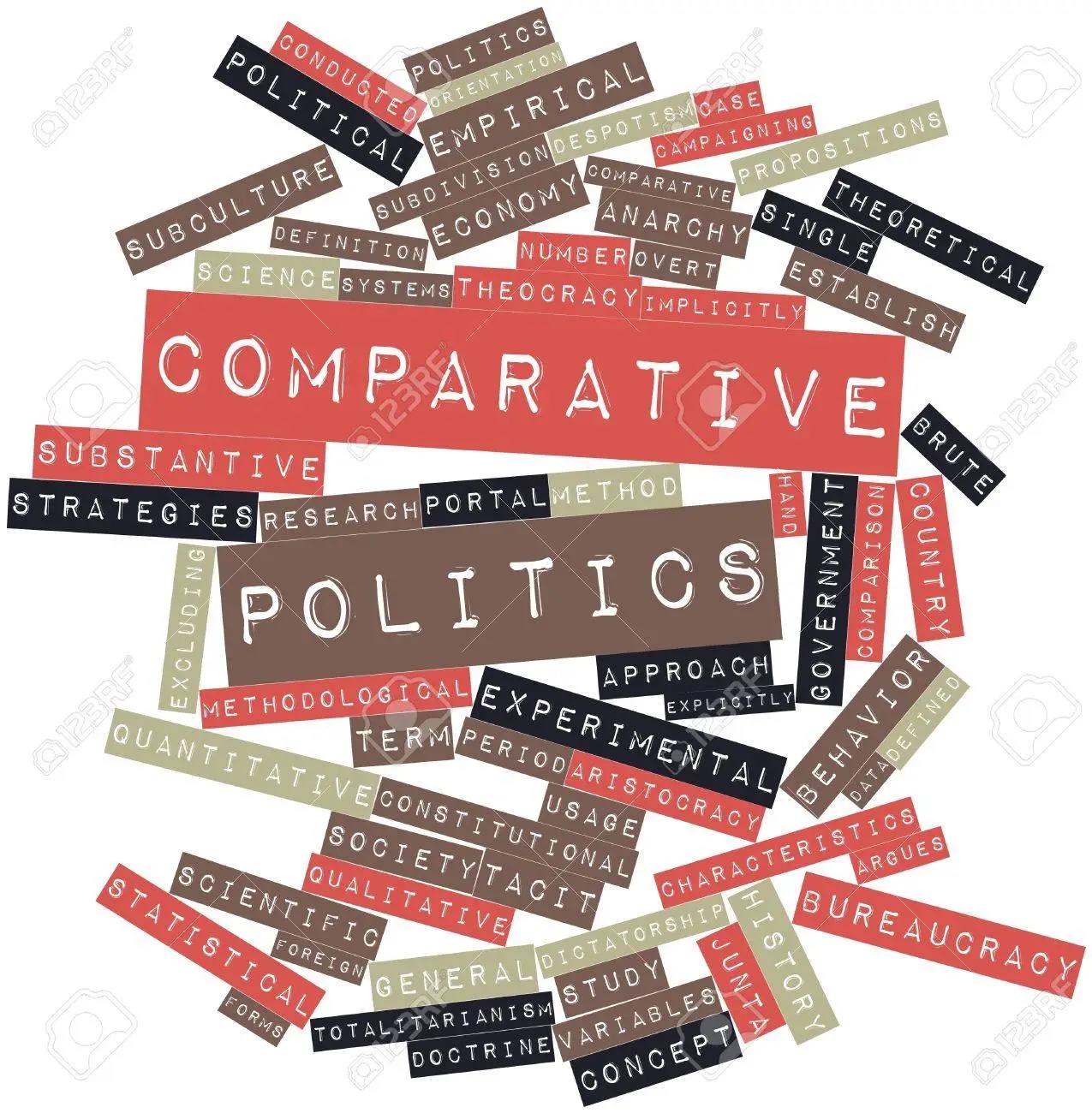
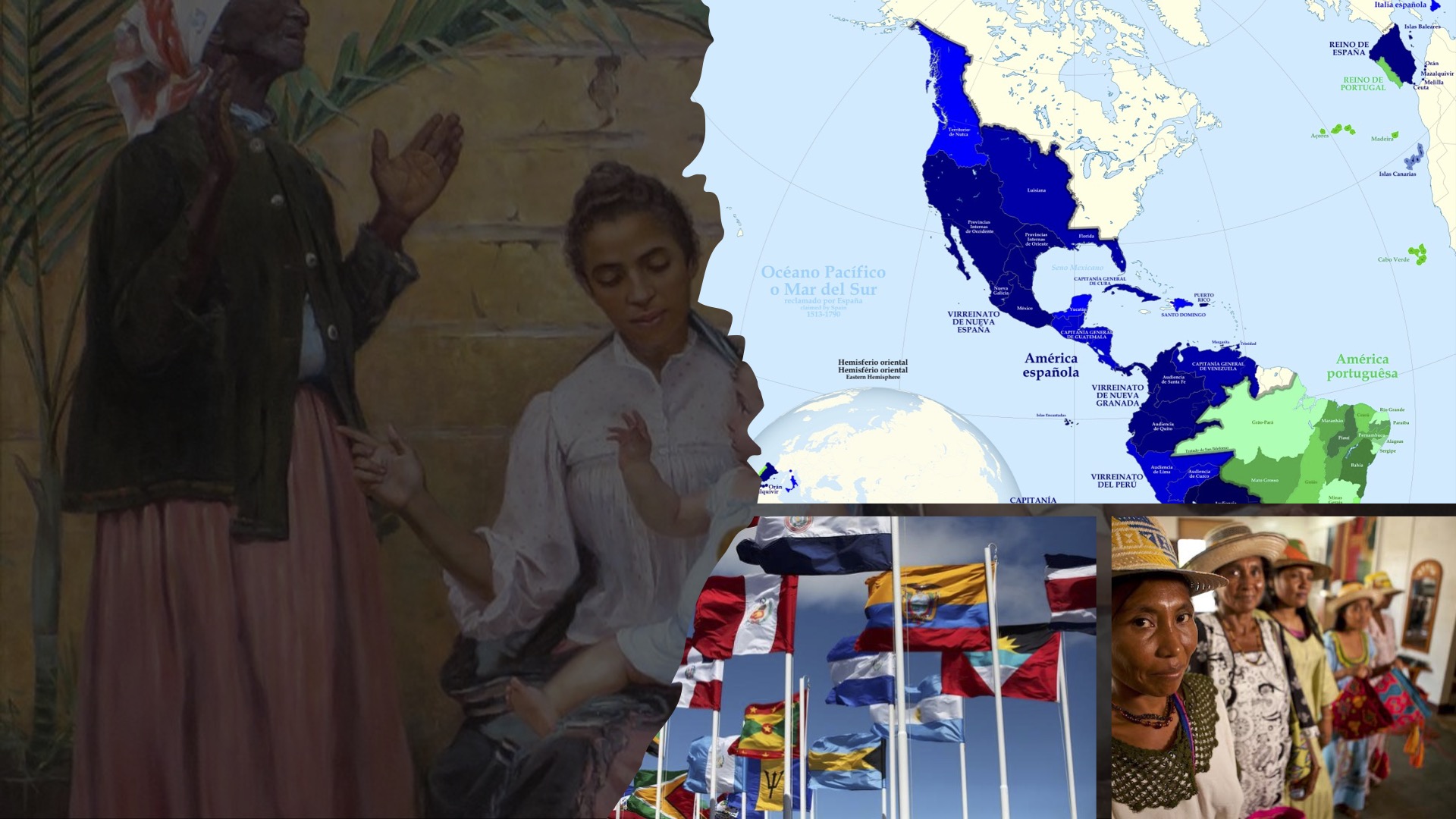
This course will provide students with a firm foundation in the sub-field of comparative politics, preparing them for further analysis of politics around the world and across contexts. The course has two main objectives:
1. To familiarize students with the importance of theory and research design for describing, explaining, and understanding political processes. After taking this course, students should be able to distinguish between different theoretical explanations and evaluate the merit of evidence used to support them.
2. To provide students with an overview of key topics and debates in comparative politics. Students should be able to understand the basis of these debates as well as take and support positions on them.
- Teacher: Shaun Williams

- Teacher: Shaun Williams
- Teacher: Jason Maloy
- Teacher: Albertaeve Abington-Pitre
- Teacher: Shaun Williams

- Teacher: Shaun Williams
- Teacher: Jason Maloy
- Teacher: Deborah Clifton
- Teacher: Marissa Petrou
- Teacher: Jacob Authement
- Teacher: Jason Maloy
- Teacher: Beth Rauhaus
- Teacher: Jason Maloy
- Teacher: Richard Winters

- Teacher: Jonathan Cole

- Teacher: Io Ioannidi
- Teacher: Hamza Rehman
Welcome to the Global Business Practices Review Module!
Dear Students,
We are excited to introduce you to the Global Business Practices Review Module, an essential component designed to enhance your understanding of the complexities and nuances of conducting business on a global scale. This module aims to prepare you for the dynamic and interconnected world of international business.
Core Objectives:
- Understand Fundamental Differences:
- Learn about the variations in business practices across different global regions and how these impact international business operations.
- Analyze Cultural, Economic, Legal, and Political Factors:
- Gain insights into how cultural, economic, legal, and political factors influence global business practices and strategies.
- Compare and Contrast Business Strategies:
- Develop the ability to compare and contrast business strategies in different countries and understand the reasons behind their success or failure.
- Enhance Critical Thinking:
- Improve your critical thinking skills by evaluating case studies of global businesses and understanding their strategies and outcomes.
- Communicate Effectively:
- Learn to communicate effectively about global business practices in both written and oral formats, essential for success in international business environments.
Module Navigation Instructions:
- Review the Content:
- Start by reading through the provided materials, which cover essential aspects of global business practices.
- Watch the Videos:
- Each section includes instructional videos that demonstrate important concepts and provide real-world examples.
- Take the Quizzes:
- After completing each section, you will take a quiz to test your understanding of the material.
- Comprehensive Quiz:
- Once you have completed all sections, you will take a comprehensive quiz. A score of at least 70% is required to pass.
- If you score below 70%, please review the content and retake the quiz until you achieve the required score.
- Final scores will be reported to your professors, who will award you credit for completing the review module.
- Once you have completed all sections, you will take a comprehensive quiz. A score of at least 70% is required to pass.
Support and Contact Information:
If you have any questions or encounter any issues while working through the module, please do not hesitate to contact Dionne Davis at dionne.davis@louisiana.edu.
We believe that this module will significantly enhance your knowledge and skills in global business practices, better preparing you for a successful career in the international business arena. Thank you for your commitment to improving your skills, and we wish you the best of luck in this learning journey.
Best regards,
[Your Name]
[Your Title]
[Your Contact Information]
- Teacher: Dione Davis
All Graduate Students in the Department of Modern Languages are enrolled in this Moodle course.
You will find important resources gathered here, including forms and policies, along with guidelines and reading lists for the comprehensive exams. Dissertation writers will find information and guidelines for their prospectus, their dissertation committee, and all processes and policies.
If there is any information you think should be included here that isn't, please let Dr. Rabalais or Dr. Wright know.
- Teacher: Gaetan Brulotte
- Teacher: Fabrice Leroy
- Teacher: Tamara Lindner
- Teacher: Ramona Mielusel
- Teacher: Amadou Ouedraogo
- Teacher: Nathan Rabalais
- Teacher: Monica Wright
- Teacher: Candice Harrison
- Teacher: Carson Savoie
From the passionate portrayal of slavery in 12 Years a Slave to the comedic but controversial stereotyping of Cajun and Creole culture in Disney's The Princess & The Frog, Louisiana has provided both the backdrop and subject matter for a number of films and television shows over the years. Often confused with the larger South, stereotypes and portrayals of this complex area both minimize and dramatize a history that few Americans know about.
This course seeks to answer these questions by reviewing the history of Louisiana from early European exploration and settlement to the present through an evaluation of reality to its translation on film. In it, students will be asked to compare and contrast how Louisiana lives have been described, influenced, and changed by the film and television industry and U.S. popular culture.
- Teacher: Liz Skilton
- Teacher: Andrew De La Garza
- Teacher: Andrew De La Garza
- Teacher: Alexandra Whitley
- Teacher: Jacob Gautreaux
- Teacher: Ian Beamish
- Teacher: Marissa Petrou
- Teacher: Deborah Clifton
- Teacher: Robert Carriker
- Teacher: Jordan Kellman
- Teacher: Jonathan Shirley
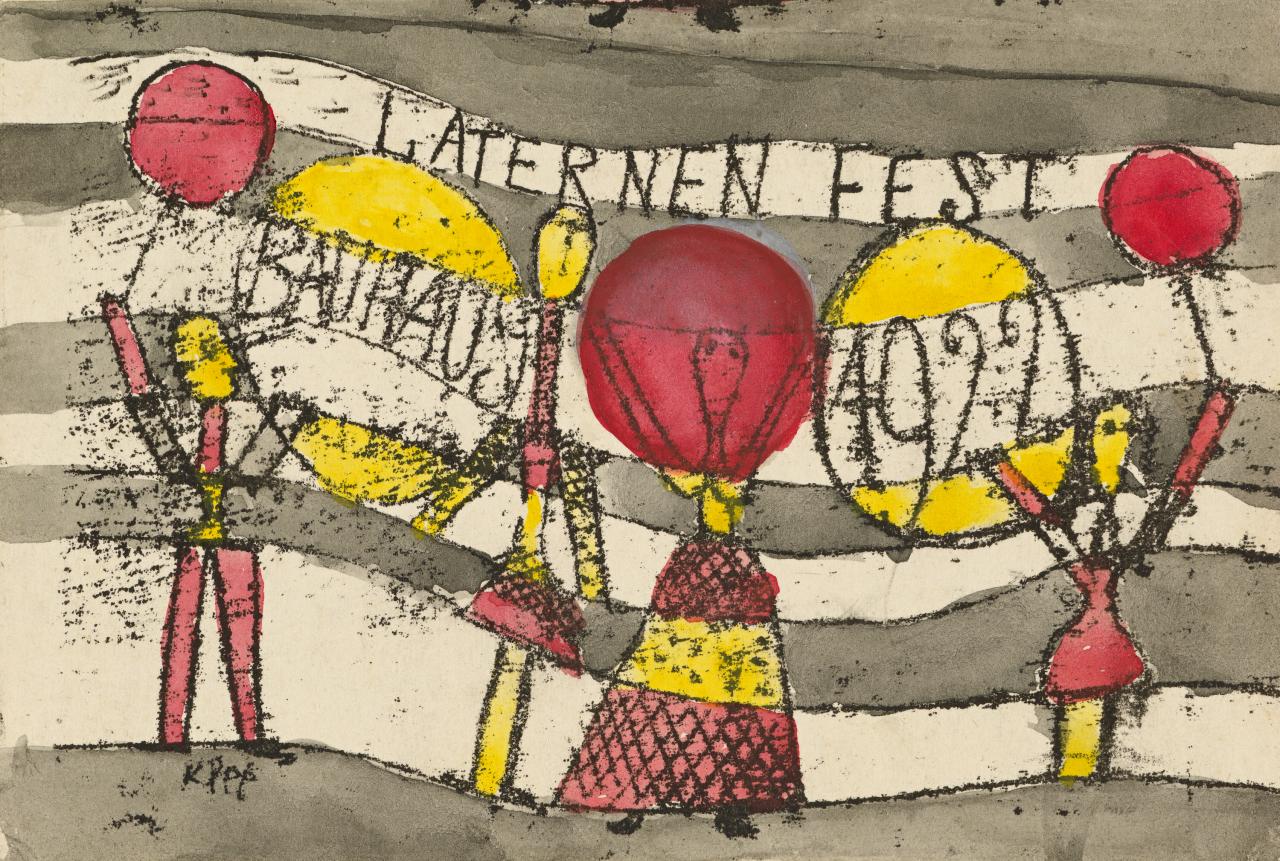
Now, a hundred years later, this class will treat 1922 as a Time Capsule of literary and artistic achievement and struggle. We’ll read texts, consider Modernist paintings, listen to Jazz tunes, and view a famous “silent” film--all from the year 1922.
- Teacher: Lisa Graley
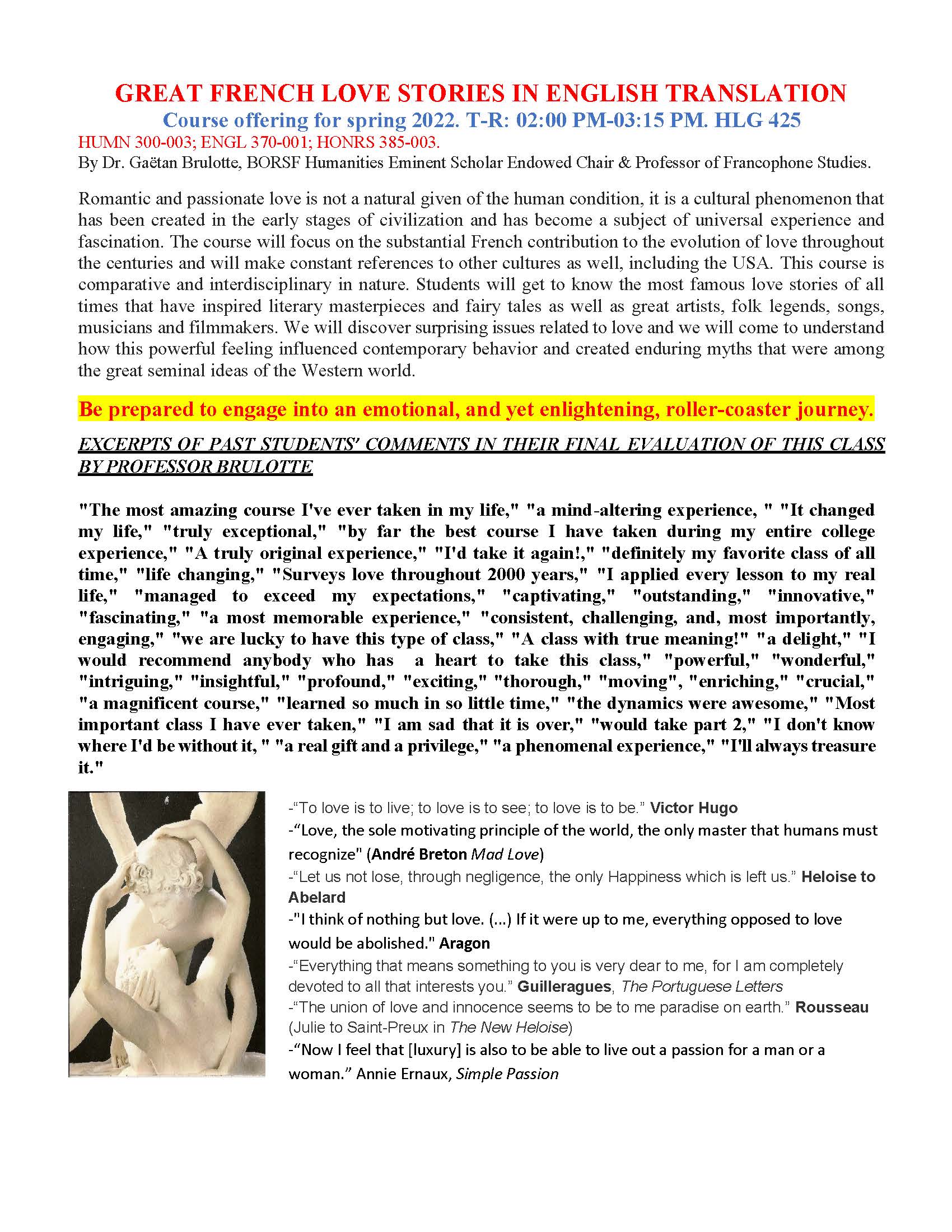
Be prepared to engage into an emotional, and yet enlightening, roller-coaster journey.
EXCERPTS OF PAST STUDENTS’ COMMENTS IN THEIR FINAL EVALUATION OF THIS CLASS BY PROFESSOR BRULOTTE
"The most amazing course I've ever taken in my life," "a mind-altering experience, " "It changed my life," "truly exceptional," "by far the best course I have taken during my entire college experience," "A truly original experience," "I'd take it again!," "definitely my favorite class of all time," "life changing," "Surveys love throughout 2000 years," "I applied every lesson to my real life," "managed to exceed my expectations," "captivating," "outstanding," "innovative," "fascinating," "a most memorable experience," "consistent, challenging, and, most importantly, engaging," "we are lucky to have this type of class," "A class with true meaning!" "a delight," "I would recommend anybody who has a heart to take this class," "powerful," "wonderful," "intriguing," "insightful," "profound," "exciting," "thorough," "moving", "enriching," "crucial," "a magnificent course," "learned so much in so little time," "the dynamics were awesome," "Most important class I have ever taken," "I am sad that it is over," "would take part 2," "I don't know where I'd be without it, " "a real gift and a privilege," "a phenomenal experience," "I'll always treasure it."
- Teacher: Gaetan Brulotte
- Teacher: Christina Birkentall
- Teacher: Justine Hebert
- Teacher: Shiho Goto
- Teacher: Sarah Myers
- Teacher: Shiho Goto

- Teacher: Sarah Myers
- Teacher: William Emblom
Our Mission Possible is to explore engaging new apps for learning provided by the Microsoft Office 365 suite of apps. Over the past several semesters, we have learned much about engaging our digital native students, but we need to continue to increase our pedagogical toolkit. These exciting apps for learning engage students both inside and outside of the classroom in multi-faceted ways. Through our work together, we will use an inquiry model to experiment with various apps, including FlipGrid, NearPod, and other Office 365 apps of our choosing. Through our experiences and support of each other, our goal will be to grow in our pedagogical knowledge to choose and apply technology to increase student engagement and success. Mission Possible will meet monthly or more as a whole group, but will also work in smaller partner groups as a way to give feedback and support our learning. Your Mission Possible is to accept this challenge and join an engaging and enjoyable community of tech explorers.
- Teacher: Maylen Aldana
- Teacher: Jessie Broussard
- Teacher: Francesco Manager Crocco
- Teacher: Michael Hebert
- Teacher: Patricia Hunt
- Teacher: Lisa LeBlanc
- Teacher: Angela Manager Lee
- Teacher: Cortney Levine
- Teacher: Amanda Mayeaux
- Teacher: Christy McDonald Lenahan
- Teacher: Bertha Myers
- Teacher: Aleisha Johnson Cook
- Teacher: Aleisha Johnson Cook
- Teacher: Ramendra Thakur
- Teacher: Ariel McGuirk
- Teacher: Brian Spears
- Teacher: Ariel McGuirk
- Teacher: Brian Spears
- Teacher: Christopher Munson
- Teacher: Logan Turner
- Teacher: Christopher Munson
- Teacher: Joseph Giavotella
- Teacher: Robert DiFabio

- Teacher: Gabriela Petculescu
- Teacher: Jason Maloy
This course is designed for college and university food service staff members and event coordinators. The course is designed to train services employees and event staff coordinators on how to prevent contamination from foodborne bacteria and parasites. The course will review harmful bacteria that cause foodborne illnesses, symptoms of various foodborne illnesses, types of foods where foodborne bacteria are found, how foods become contaminated, and ways to reduce the risk of contamination.
- Teacher: Carl Wininger
- Teacher: Courtney Yongue
Here you will find documents, resources, and announcement related to the UL Public History Program.
Your main points of contact are:
Dr. Ian Beamish, Director of Public History, ian.beamish@louisiana.edu
Sarah I. Rodriguez, Associate Director of Public History, sarah.rodriguez@louisiana.edu
- Teacher: Ian Beamish
- Teacher: Jacob Gautreaux
- Teacher: Michael Martin
- Teacher: Marissa Petrou
- Teacher: Sarah Rodriguez
- Teacher: Kaitlin Simpson
Introduction to the Data-Driven Business Solutions Module
Introduction
Welcome to the Data-Driven Business Solutions Module. This self-paced online module is designed for undergraduate business students who are looking to enhance their skills in using data to solve business problems. In today's data-centric world, the ability to analyze data and draw actionable insights is a critical skill for any business professional. This module will guide you through the process of identifying business problems, selecting and analyzing relevant data, developing data-driven solutions, and effectively communicating your findings.
Throughout this module, you will engage with various educational resources, including readings, videos, interactive activities, and quizzes. Each unit is structured to build upon the previous one, ensuring a comprehensive understanding of the data analysis process. Upon completion, you will take a comprehensive quiz to test your overall knowledge and application of the concepts learned.
Learning Objectives
By the end of this module, you will be able to:
Identify Business Problems:
- Understand and articulate various business problems that can be addressed through data analysis.
- Frame and define clear problem statements.
Select Relevant Data:
- Determine and justify the selection of appropriate data sources for specific business problems.
- Differentiate between qualitative and quantitative data and understand their uses.
Analyze Data Effectively:
- Apply descriptive and inferential statistical techniques to analyze data.
- Use software tools such as Excel, Tableau, and SPSS for data analysis and visualization.
Develop Data-Driven Solutions:
- Interpret data insights to formulate actionable solutions to business problems.
- Create strategic plans and recommendations based on data analysis.
Communicate Findings:
- Develop effective communication strategies to present data findings.
- Use visual aids and storytelling techniques to convey insights to stakeholders.
- Create professional visual reports and interactive dashboards.
- Teacher: Dione Davis
- Teacher: Shaun Williams
- Teacher: Shaun Williams
- Teacher: Gaetan Brulotte
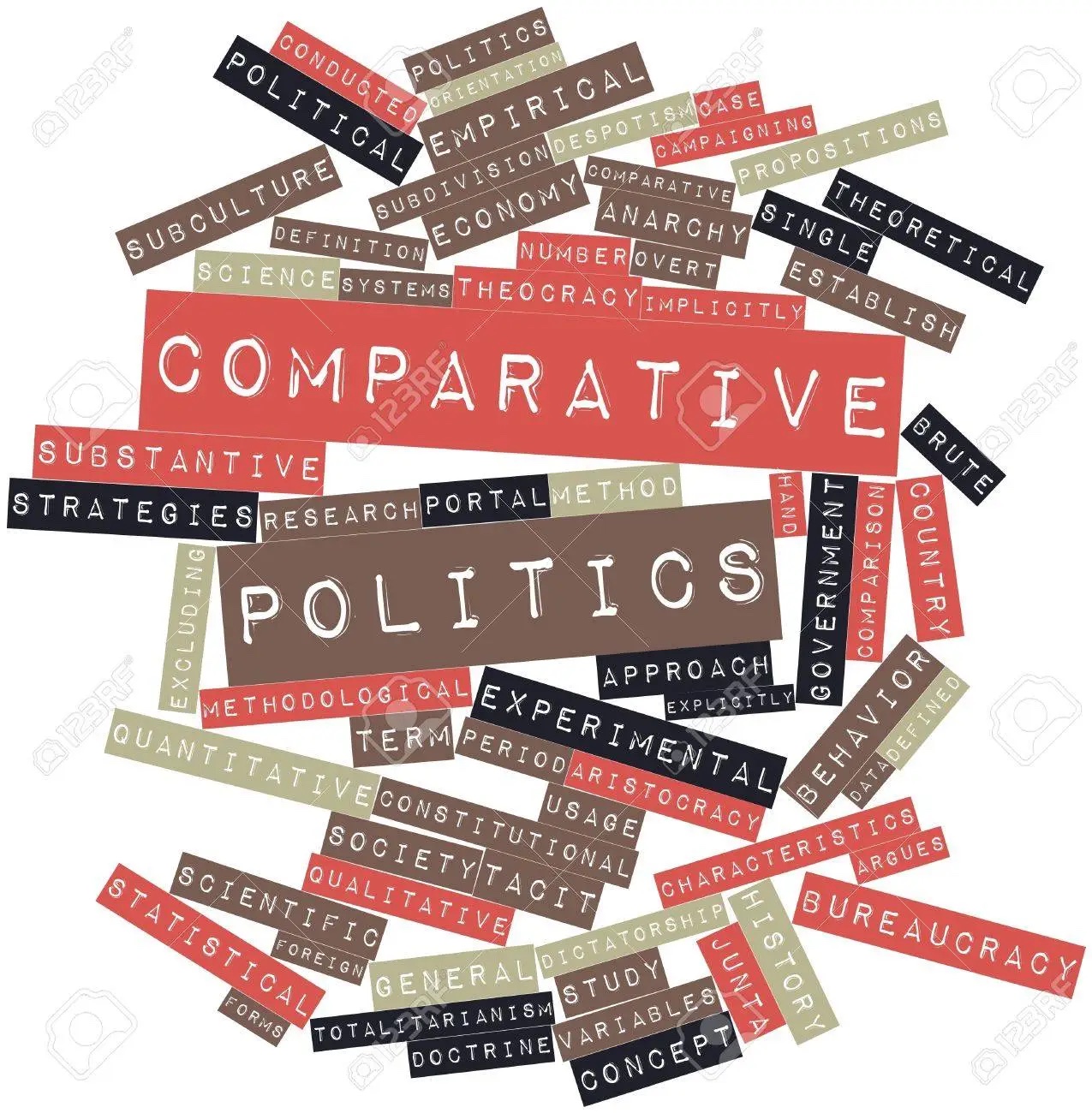
This course will provide students with a firm foundation in the sub-field of comparative politics, preparing them for further analysis of politics around the world and across contexts. The course has two main objectives:
1. To familiarize students with the importance of theory and research design for describing, explaining, and understanding political processes. After taking this course, students should be able to distinguish between different theoretical explanations and evaluate the merit of evidence used to support them.
2. To provide students with an overview of key topics and debates in comparative politics. Students should be able to understand the basis of these debates as well as take and support positions on them.
- Teacher: Shaun Williams
- Teacher: Jason Maloy
- Teacher: Jason Maloy
- Teacher: Jason Maloy
- Teacher: Jason Maloy
- Teacher: Thomas Cline
- Teacher: Sarah Young

- Teacher: Thomas Cline
- Teacher: Sarah Young
- Teacher: Lisa Bowles
- Teacher: James Tancill
You will visit some of the most important museums in Florence and they will serve as our classroom including the Uffizi Gallery, Museo dell’Opera del Duomo, Museo degli Argenti Bargello Museum, Boboli Gardens, Academia, the Fondazione Bisonte, and the Armadillo Atelier to study prints, drawings, and paintings first hand. These locations will serve as sources of inspiration allowing you to develop a greater awareness of the role of drawing and the print has as an investigative process in the development of creative work and it’s use as an expressive means of communication. Students develop a site-responsive studio practice in relationship to the cultural landscape of Florence. We will consider the unique identity of particular sites and structures, land use, and use our experiences on-location to inspire and frame ideas for our work. We will work both in the studio and on-site in the city. Practical and didactic learning will include a complement of methodologies: texts, lectures, films, demonstrations, site visits, field work, and travel to Venice and other sites outside of Florence.
Students will develop a suite of prints through a series of prompts. Ultimately, all students will have the power to make independent work that explores their own visual and media interests. This course will give students a greater awareness of the role of drawing as an investigative process in the development of creative work and it’s use as an expressive means of communication. This course will be divided between working on creative work on location in Florence and utilizing the cities world class museums and galleries and individual work outside of class. Students will also learn how to utilize a sketchbook/journal in the development of creative research, the documentation of the city, and a source for the stimulation and development of ideas.
- Teacher: Brian Kelly
- Teacher: James Tancill
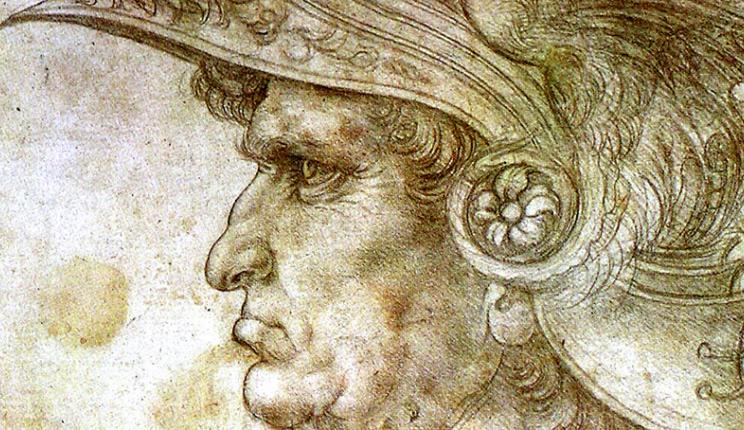
Students in this course will be explore the development and the influence of the Renaissance period in Florence had upon both the art of printmaking and the formation of the new career of printmaker during the late fifteenth century and throughout the sixteenth century in Italy. Students will also be exposed to historical prints and drawings that explore the context of related paintings, sculpture, and architecture, describing a period when printmaking opened up new ways to make a living and transformed the mechanisms of Renaissance visual culture.Students will study works Giovanni Pietro da Birago, Cornelis Cort, Mantegna, Durer, Leonardo, Michelangelo, Donatello, among others from the Renaissance period.
Additionally, students will also read scholarship that surrounds the development of the Renaissance period, its relationship to printmaking, along with the history of printmaking.
- Teacher: Brian Kelly
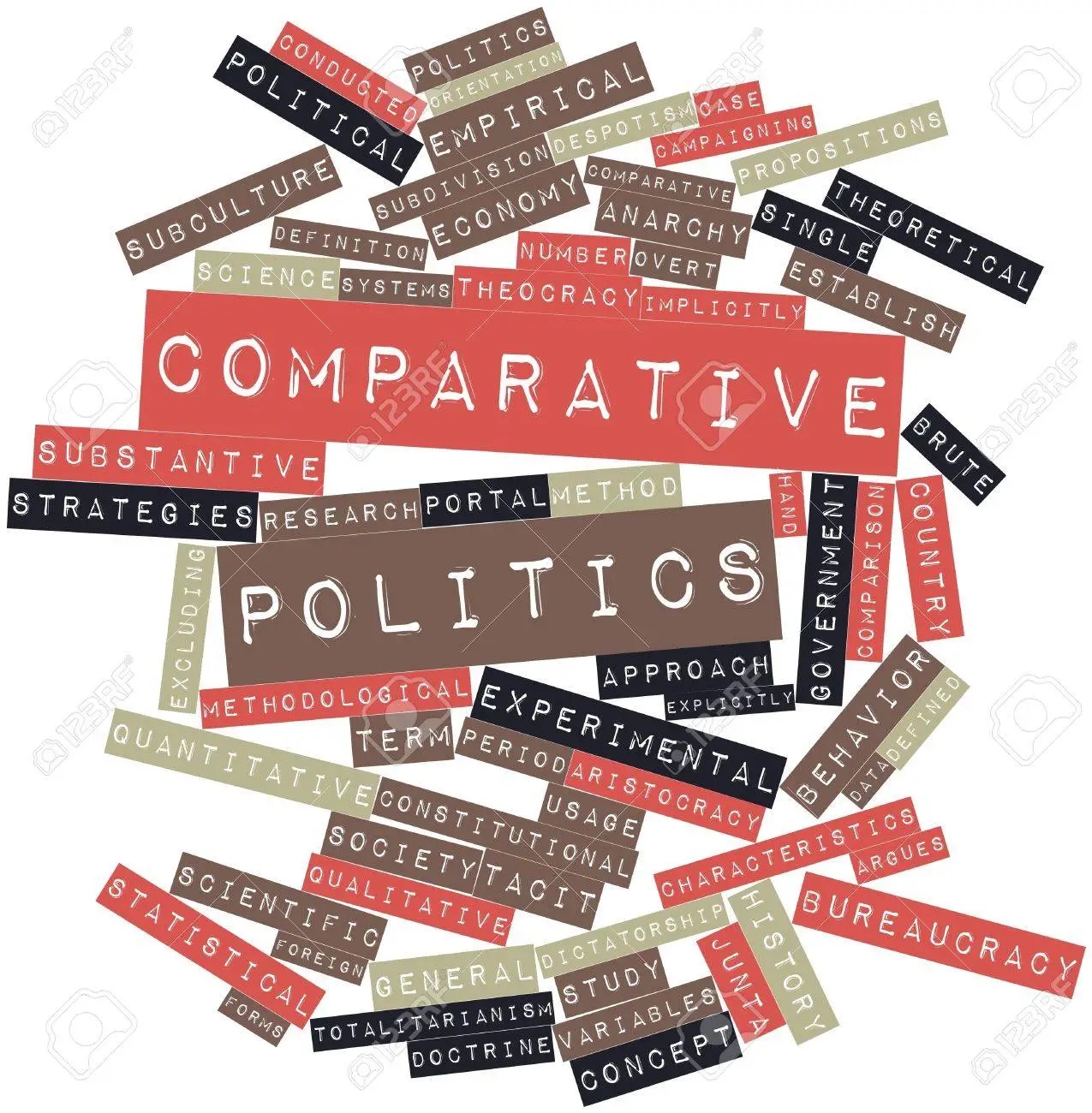
This course will provide students with a firm foundation in the sub-field of comparative politics, preparing them for further analysis of politics around the world and across contexts. The course has two main objectives:
1. To familiarize students with the importance of theory and research design for describing, explaining, and understanding political processes. After taking this course, students should be able to distinguish between different theoretical explanations and evaluate the merit of evidence used to support them.
2. To provide students with an overview of key topics and debates in comparative politics. Students should be able to understand the basis of these debates as well as take and support positions on them.
- Teacher: Shaun Williams
inspiration and for interpretive exploration. Guided by individual interests and
artistic medium, students will examine and use the city of Italy’s landscape,
museums and culture as sources for creative exploration and research. This
course will give students a greater awareness of the role of drawing,
photography, painting, and printmaking as an investigative process in the
development of creative work and it’s use as an expressive means of
communication. This course will be divided between working on creative work on
location in Italy and utilizing the cities world class museums and galleries.
Students will also learn how to utilize a sketchbook/journal/phone in the
development of creative research, the documentation of the city, and a source for
the stimulation and development of ideas.
- Teacher: Brian Kelly
- Teacher: Michael Totaro
Students in this course will be explore the development and the influence of the Renaissance period in Florence had upon both the art of printmaking and the formation of the new career of printmaker during the late fifteenth century and throughout the sixteenth century in Italy. Students will also be exposed to historical prints and drawings that explore the context of related paintings, sculpture, and architecture, describing a period when printmaking opened up new ways to make a living and transformed the mechanisms of Renaissance visual culture.Students will study works Giovanni Pietro da Birago, Cornelis Cort, Mantegna, Durer, Leonardo, Michelangelo, Donatello, among others from the Renaissance period.
Additionally, students will also read scholarship that surrounds the development of the Renaissance period, its relationship to printmaking, along with the history of printmaking.
- Teacher: Brian Kelly
- Teacher: Camille Bulliard
- Teacher: Carrie Chapter
- Teacher: Christopher Bennett
- Teacher: Allison Leigh