
University of Louisiana at Lafayette
Search results: 299
- Teacher: Ashley Guidroz
- Teacher: Suzanne Ward
- Teacher: Nicole Bruchez
- Teacher: Tracy Bundy
- Teacher: Derek Brondum
- Teacher: Kyle Robichaux

This site supports Advance Student Research Experience (SRE) Pathway Development. Each program/department will design ASRE Pathways that will guild students seeking to increase their exposure to SREs in their disciples. ASRE Pathways are Program-Based Undergraduate Research Experiences (PURE) that will track student progress as they seek, learn, and in some cases implement an SRE. Tracking student progress will also allow each program to assess the student's success and therefore the success of each PURE.
- Teacher: Todd Henry
- Teacher: Sherry Krayesky
- Teacher: Jessica Thibodeaux
- Teacher: Jessica White-Sanders
- Teacher: Kathe Managan
- Teacher: Jannatul Ferdous Jui
- Teacher: Audrey Lee
- Teacher: Katie Potier
- Teacher: Rachel Speed

- Teacher: William Schmidt
- Teacher: William Schmidt
- Teacher: William Schmidt
- Teacher: William Schmidt
- Teacher: William Schmidt
- Teacher: Beth Stauffer
- Teacher: Heather Birdsong
- Teacher: Mirna Marinic
- Teacher: Sophie Plouviez
- Teacher: Ritwij Kulkarni
- Teacher: Bradley Moon
- Teacher: James Klock
- Teacher: Chase Edwards
- Teacher: Chase Edwards
- Teacher: Chase Edwards
- Teacher: Leah Pontiff
- Teacher: Kyle Robichaux
- Teacher: Emmanuel Revellame

- Teacher: Andrea Leonard
- Teacher: Barbara Marchetti
- Teacher: Kristin Gardner
- Teacher: Kristin Gardner
- Teacher: Robert Reardon
- Teacher: Anthony Vito
- Teacher: Kelley Christopher
- Teacher: Kelley Christopher
- Teacher: Robert Reardon
- Teacher: Robert Reardon
- Teacher: Michael Loree
- Teacher: Kimberly Long
- Teacher: Michael Beadle
- Teacher: Kristin Gardner
- Teacher: Eric Delaune
- Teacher: Jada Hector
- Teacher: David Khey
- Teacher: Michelle Jeanis
- Teacher: Kelley Christopher
- Teacher: Vanessa Lasala

- Teacher: Amal Bakry
- Teacher: Janette Douglas
- Teacher: Oyindamola Shittu
- Teacher: Kelsey Chauvin
- Teacher: Janette Douglas
- Teacher: Do Kim
- Teacher: Do Kim
- Teacher: Andre Williams
- Teacher: Leticia Andrus

- Teacher: Philip Auter
- Teacher: Myliyah King
- Teacher: Stephenson Waters

- Teacher: Philip Auter
- Teacher: Ella Boushie

- Teacher: Philip Auter
- Teacher: Ella Boushie
- Teacher: Mohsen Amini Salehi
- Teacher: Henry Chu
- Teacher: MD Aminul Islam
- Teacher: Winona Istre
- Teacher: Arun Kulshreshth
- Teacher: Ashok Kumar
- Teacher: Nicholas Lipari
- Teacher: Martin Margala
- Teacher: Robert Minvielle
- Teacher: Michael Totaro
- Teacher: Nianfeng Tzeng
- Teacher: Beth Wilson
- Teacher: Jason Woodworth
- Teacher: Xu Yuan
- Teacher: Arun Lakhotia
- Teacher: Akriti Sharma
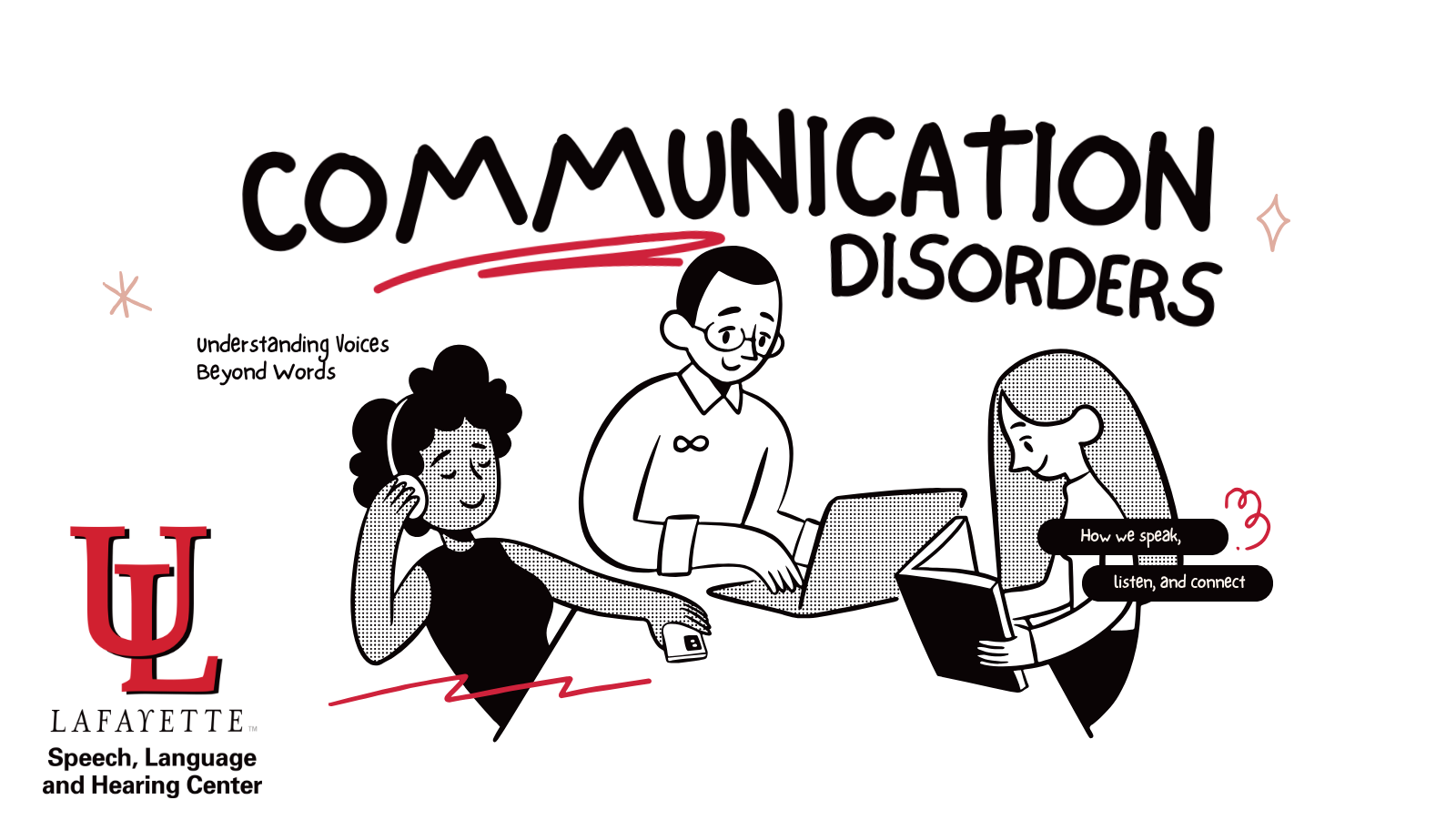
General information for all CODI majors and routes to Audiologist, SLP and SLPA.
- Teacher: Jamie Azios
- Teacher: Elena Babatsouli
- Teacher: Holly Damico
- Teacher: Ashley Kidd
- Teacher: Mary McMahon
- Teacher: Ryan Nelson
- Teacher: Amanda Percle
- Teacher: Laura Roach
- Teacher: Christine Weill
- Teacher: Marie Broussard

University of Louisiana at Lafayette is committed to maintain a safe and healthy substance free community for all employees, students, and visitors. This course is designed to increase awareness regarding opioid addiction and prevention.
An Opioid Education, Training and Reporting Policy has been established to addresses University prevention measures aimed to counteract or reduce opioid use on University property or as part of any University-sponsored activity and the accessibility of an Opioid antagonist (narcan) for emergency administration by trained persons at the University to assist in preventing Overdose deaths at the University.
- Teacher: Aimee Abshire
- Teacher: Kristy Fusilier
- Teacher: Elizabeth Giroir
- Teacher: Madeline Husband
- Teacher: Lauren Robson
- Teacher: Christine Williams
- Teacher: Carl Wininger
- Teacher: Courtney Yongue
- Teacher: Huong Nguyen
- Teacher: Shannon Aucoin
- Teacher: Gary Wagner
- Teacher: Deergha Adhikari
- Teacher: Shaofei Han
- Teacher: Tiffini Brigola
- Teacher: Allison Comeaux
- Teacher: Tiffini Brigola
- Teacher: Allison Comeaux
- Teacher: Tiffini Brigola
- Teacher: Allison Comeaux
- Teacher: Tiffini Brigola
- Teacher: Tiffini Brigola
- Teacher: Tarrah Davis
- Teacher: Latasha Holt
- Teacher: Nicole Morrison
- Teacher: Tiffini Brigola
- Teacher: Allison Comeaux
- Teacher: Nicole Morrison
- Teacher: Tiffini Brigola
- Teacher: Allison Comeaux
- Teacher: Robert Slater
- Teacher: Sebnem Cilesiz
- Teacher: Amanda Mayeaux
- Teacher: Allison Comeaux
- Teacher: Christopher Giroir
- Teacher: Christopher Broadhurst
- Teacher: Joel Terranova
- Teacher: Monica Busby
- Teacher: Wileesha Stevenson
- Teacher: Jennifer Geer
- Teacher: Monica Busby
- Teacher: Shelly Leroy
- Teacher: Sheri Lazare
- Teacher: Sheri Lazare

- Teacher: Evangeline Han
- Teacher: Wileesha Stevenson
- Teacher: Sheri Lazare
- Teacher: Michelle Ritter

- Teacher: Randy Gonzales
- Teacher: Michael Shea
 Academic Article Header.jpg
- Teacher: David Squires
- Teacher: Swarna Chowdhury

- Teacher: Shaun Williams
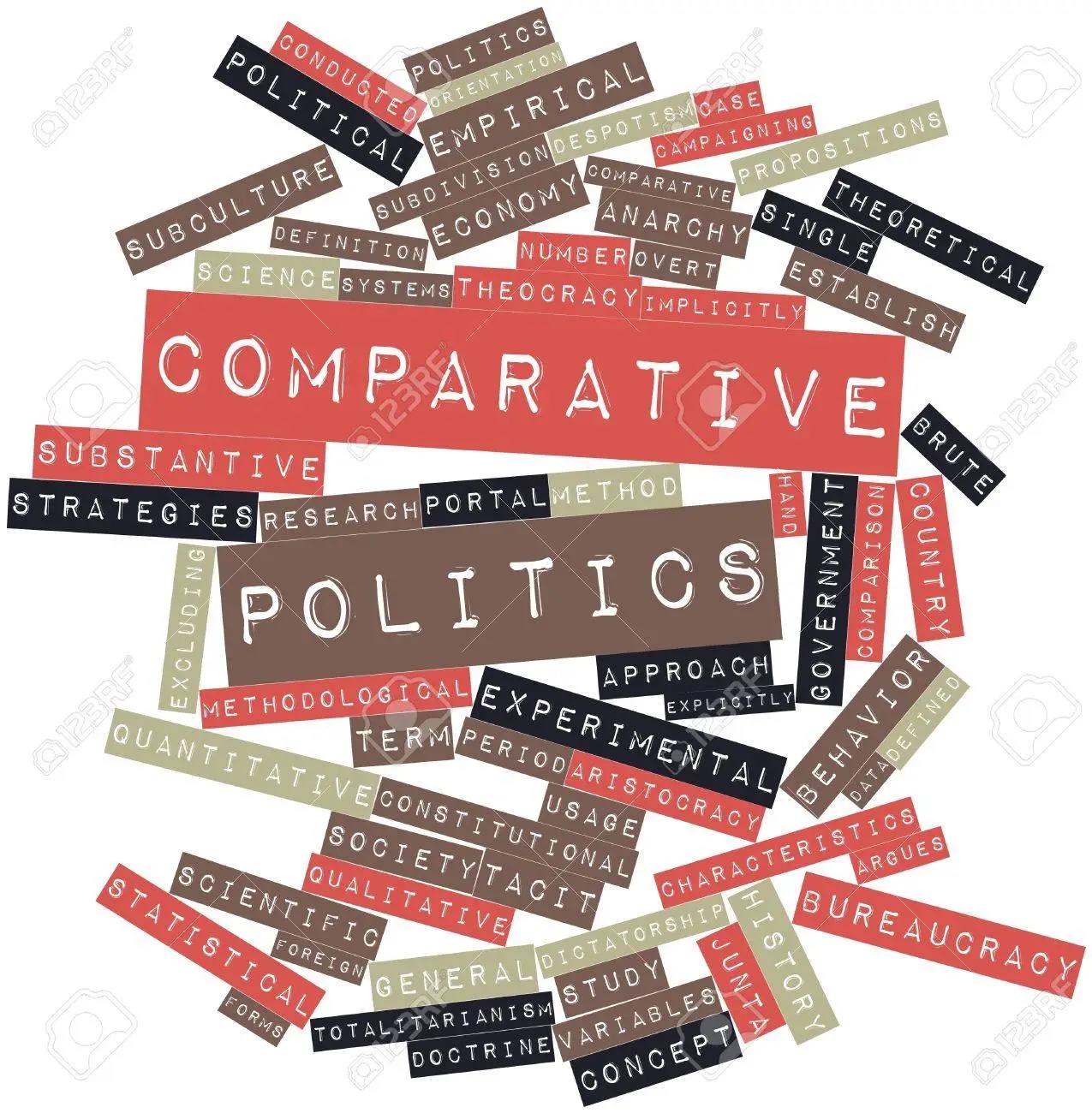
This course will provide students with a firm foundation in the sub-field of comparative politics, preparing them for further analysis of politics around the world and across contexts. The course has two main objectives:
1. To familiarize students with the importance of theory and research design for describing, explaining, and understanding political processes. After taking this course, students should be able to distinguish between different theoretical explanations and evaluate the merit of evidence used to support them.
2. To provide students with an overview of key topics and debates in comparative politics. Students should be able to understand the basis of these debates as well as take and support positions on them.
- Teacher: Shaun Williams

- Teacher: Shaun Williams
- Teacher: Jason Maloy
- Teacher: Jason Maloy
- Teacher: Deborah Clifton
- Teacher: Marissa Petrou
- Teacher: Jason Maloy
- Teacher: Beth Rauhaus
Spanish 320 counts toward the major and minor in Spanish, the minor in Latin American Studies, and the major in World Intercultural Studies. It may also be used to fulfill the General Education requirements in Communication and Language or Literature and Humanities. Final projects support the Advance Student Research Experience Pathway, and honors contracts are available. Upper-level and graduate students may take the course as Spanish 451(G).
Prerequisite: Spanish 202 or the equivalent. Class is in Spanish. Readings in Spanish and English. Spanish majors and minors read and write in Spanish. Others may work in their own languages. For more information: leslie.bary@louisiana.edu.
- Teacher: Leslie Bary
- Teacher: Maria Slater
- Teacher: Mary Luquette
- Teacher: Hannah Hawkins
- Teacher: Hannah Hawkins
- Teacher: Jennifer Hargrave
Welcome to the Global Business Practices Review Module!
Dear Students,
We are excited to introduce you to the Global Business Practices Review Module, an essential component designed to enhance your understanding of the complexities and nuances of conducting business on a global scale. This module aims to prepare you for the dynamic and interconnected world of international business.
Core Objectives:
- Understand Fundamental Differences:
- Learn about the variations in business practices across different global regions and how these impact international business operations.
- Analyze Cultural, Economic, Legal, and Political Factors:
- Gain insights into how cultural, economic, legal, and political factors influence global business practices and strategies.
- Compare and Contrast Business Strategies:
- Develop the ability to compare and contrast business strategies in different countries and understand the reasons behind their success or failure.
- Enhance Critical Thinking:
- Improve your critical thinking skills by evaluating case studies of global businesses and understanding their strategies and outcomes.
- Communicate Effectively:
- Learn to communicate effectively about global business practices in both written and oral formats, essential for success in international business environments.
Module Navigation Instructions:
- Review the Content:
- Start by reading through the provided materials, which cover essential aspects of global business practices.
- Watch the Videos:
- Each section includes instructional videos that demonstrate important concepts and provide real-world examples.
- Take the Quizzes:
- After completing each section, you will take a quiz to test your understanding of the material.
- Comprehensive Quiz:
- Once you have completed all sections, you will take a comprehensive quiz. A score of at least 70% is required to pass.
- If you score below 70%, please review the content and retake the quiz until you achieve the required score.
- Final scores will be reported to your professors, who will award you credit for completing the review module.
- Once you have completed all sections, you will take a comprehensive quiz. A score of at least 70% is required to pass.
Support and Contact Information:
If you have any questions or encounter any issues while working through the module, please do not hesitate to contact Dionne Davis at dionne.davis@louisiana.edu.
We believe that this module will significantly enhance your knowledge and skills in global business practices, better preparing you for a successful career in the international business arena. Thank you for your commitment to improving your skills, and we wish you the best of luck in this learning journey.
Best regards,
[Your Name]
[Your Title]
[Your Contact Information]
- Teacher: Dione Davis
All Graduate Students in the Department of Modern Languages are enrolled in this Moodle course.
You will find important resources gathered here, including forms and policies, along with guidelines and reading lists for the comprehensive exams. Dissertation writers will find information and guidelines for their prospectus, their dissertation committee, and all processes and policies.
If there is any information you think should be included here that isn't, please let Dr. Rabalais or Dr. Wright know.
- Teacher: Fabrice Leroy
- Teacher: Tamara Lindner
- Teacher: Ramona Mielusel
- Teacher: Amadou Ouedraogo
- Teacher: Nathan Rabalais
- Teacher: Monica Wright

- Teacher: Kristy Courville
- Teacher: Kyle Robichaux

- Teacher: Richard Frankel
- Teacher: Charles Martin

- Teacher: Richard Frankel
- Teacher: Marissa Petrou
- Teacher: Andrew De La Garza
- Teacher: Andrew De La Garza
- Teacher: Andrew De La Garza
- Teacher: Deborah Clifton
- Teacher: Robin Hermann
- Teacher: Shawn Thibodeaux
- Teacher: Chad Duffaut
- Teacher: Chad Duffaut
- Teacher: Chad Parker
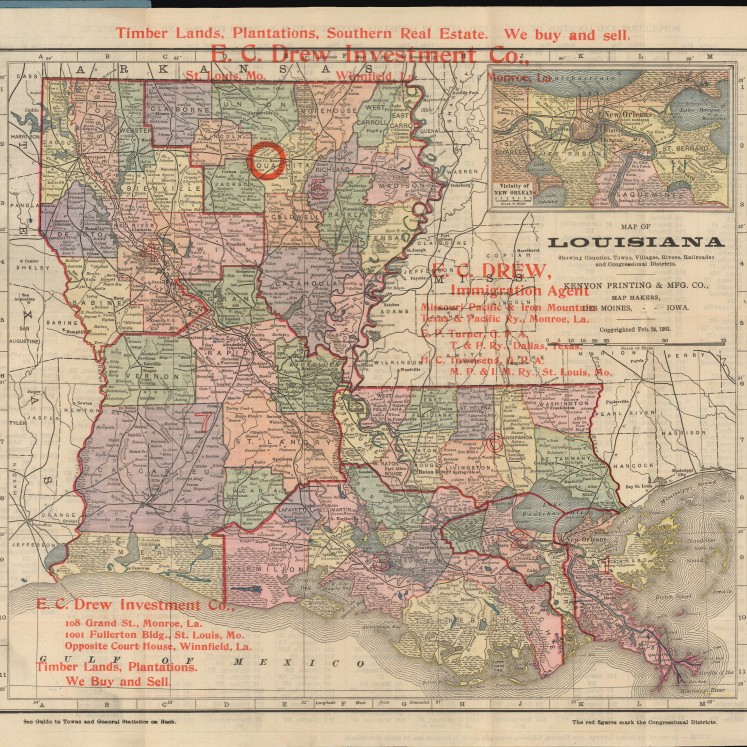
From the passionate portrayal of slavery in 12 Years a Slave to the comedic but controversial stereotyping of Cajun and Creole culture in Disney's The Princess & The Frog, Louisiana has provided both the backdrop and subject matter for a number of films and television shows over the years. Often confused with the larger South, stereotypes and portrayals of this complex area both minimize and dramatize a history that few Americans know about.
This course seeks to answer these questions by reviewing the history of Louisiana from early European exploration and settlement to the present through an evaluation of reality to its translation on film. In it, students will be asked to compare and contrast how Louisiana lives have been described, influenced, and changed by the film and television industry and U.S. popular culture.
- Teacher: Liz Skilton
- Teacher: James Reonas
- Teacher: Jordan Kellman
- Teacher: Carl Richard
- Teacher: Jacob Gautreaux
- Teacher: Michael Martin
- Teacher: Lisa LeBlanc
- Teacher: Allison Marcel
- Teacher: Elizabeth LaPointe
- Teacher: Lisa LeBlanc
- Teacher: Jordan Perret
- Teacher: Jordan Perret
- Teacher: Melissa Heinitz Saunier
- Teacher: Lisa LeBlanc
- Teacher: Trisha Bellar
- Teacher: Elizabeth LaPointe
- Teacher: Beau Saunier
- Teacher: Elizabeth LaPointe
- Teacher: Beau Saunier
- Teacher: Trisha Bellar
- Teacher: Elizabeth LaPointe
- Teacher: Lisa LeBlanc
- Teacher: Gina Nevils
- Teacher: David Jamie
- Teacher: David Jamie

- Teacher: Anna Villanella

- Teacher: Anna Villanella

- Teacher: Anna Villanella
- Teacher: Peter Smoak
- Teacher: Susan Lyman
- Teacher: Arranette PoliteBobb
- Teacher: Stacy Imagbe
- Teacher: Lisa LeBlanc
- Teacher: Ismatara Reena
- Teacher: Stacy Imagbe
- Teacher: Lisa LeBlanc
- Teacher: Ismatara Reena
- Teacher: Susan Lyman
- Teacher: Susan Lyman
- Teacher: Stacey Willson
- Teacher: Shankari Mondal Dipti
- Teacher: Ismatara Reena
- Teacher: Lisa LeBlanc
- Teacher: Ismatara Reena
- Teacher: Emily Sandoz
- Teacher: Emily Sandoz

- Teacher: Robert Garrie
- Teacher: Mehmet Tozal
- Teacher: Mehmet Tozal
- Teacher: Hsiu-Yueh Hsu
- Teacher: Shawn Konecni
- Teacher: Michael Totaro
- Teacher: Beenish Chaudhry
- Teacher: Michael Totaro
- Teacher: Beenish Chaudhry
- Teacher: Beenish Chaudhry
- Teacher: Beenish Chaudhry
- Teacher: Beenish Chaudhry
- Teacher: Beenish Chaudhry

- Teacher: Rusdiana Honegger
- Teacher: Megan Miller
- Teacher: Zayira Quiroz Parraga
- Teacher: Vinca Rampen-Duhon
- Teacher: Brandt Snook
- Teacher: Nicholas Woodard
- Teacher: Allison Smith
- Teacher: Charles Duncan
- Teacher: Charles Duncan
- Teacher: Tambria Bradford
- Teacher: Alexandra Humphrey

- Teacher: Sarah Myers
- Teacher: Ismatara Reena

- Teacher: Aimee Gros
- Teacher: Sarah Myers
- Teacher: Shiho Goto
- Teacher: Aimee Gros
- Teacher: Claire Hebert
- Teacher: Kimberly Billeaudeau
- Teacher: Jennifer LeMeunier
- Teacher: Michael Williams
- Teacher: Rashida Bryant
- Teacher: Rashida Bryant
- Teacher: Ayesha Aktar
- Teacher: Rashida Bryant
- Teacher: Sarah Egbulem
- Teacher: Joshua Fontenot
- Teacher: James Kimball
- Teacher: Bruce Wade
- Teacher: Sarah Egbulem
- Teacher: Christy Langley
- Teacher: Christy Langley
- Teacher: Kathryn Boddie
- Teacher: Parvin Akther
- Teacher: Joshua Fontenot
- Teacher: James Kimball
- Teacher: Bruce Wade
- Teacher: Parvin Akther
- Teacher: Joshua Fontenot
- Teacher: James Kimball
- Teacher: Bruce Wade
- Teacher: Justin Lynd
- Teacher: Jake Sundberg
- Teacher: Joshua Fontenot
- Teacher: James Kimball
- Teacher: Kamlesh Sarkar
- Teacher: Bruce Wade
- Teacher: Leonel Robert Gonzalez
- Teacher: Kamlesh Sarkar
- Teacher: Joshua Fontenot
- Teacher: James Kimball
- Teacher: Fatema Tuz-Zohora
- Teacher: Bruce Wade
- Teacher: Joshua Eggenberger
- Teacher: Joshua Fontenot
- Teacher: James Kimball
- Teacher: Fatema Tuz-Zohora
- Teacher: Bruce Wade
- Teacher: Scott Hebert
- Teacher: Mary Jumonville
- Teacher: Bailey Ross
- Teacher: Bailey Ross
- Teacher: Bailey Ross
- Teacher: Bailey Ross
- Teacher: Bailey Ross
- Teacher: Allison Cointot
- Teacher: Rashida Bryant
- Teacher: Kathryn Boddie
- Teacher: Allison Cointot
- Teacher: James Kimball
- Teacher: Christy Langley
- Teacher: Bailey Ross
Dear Students, Please fill our the advising form and upload to the the folder that says submit advising form. After that we can begin the process. Please do that and let me know as well. My contact email is krishna.shrestha@louisiana.edu
- Teacher: Krishna Shrestha
- Teacher: Brandi Guidry Hollier
- Teacher: Brandi Guidry Hollier
- Teacher: Averi Landry
- Teacher: Catherine Chauvin
- Teacher: Omar Alyasein
- Teacher: Catherine Chauvin
- Teacher: Patricia Lanier
- Teacher: Kyle Robichaux
- Teacher: Colleen Wolverton
- Teacher: Colleen Wolverton
- Teacher: Todd Johnson
- Teacher: Tanya Morgan
- Teacher: Kyle Robichaux
- Teacher: Joshua Capps
Our Mission Possible is to explore engaging new apps for learning provided by the Microsoft Office 365 suite of apps. Over the past several semesters, we have learned much about engaging our digital native students, but we need to continue to increase our pedagogical toolkit. These exciting apps for learning engage students both inside and outside of the classroom in multi-faceted ways. Through our work together, we will use an inquiry model to experiment with various apps, including FlipGrid, NearPod, and other Office 365 apps of our choosing. Through our experiences and support of each other, our goal will be to grow in our pedagogical knowledge to choose and apply technology to increase student engagement and success. Mission Possible will meet monthly or more as a whole group, but will also work in smaller partner groups as a way to give feedback and support our learning. Your Mission Possible is to accept this challenge and join an engaging and enjoyable community of tech explorers.
- Teacher: Maylen Aldana
- Teacher: Jessie Broussard
- Teacher: Francesco Manager Crocco
- Teacher: Michael Hebert
- Teacher: Patricia Hunt
- Teacher: Lisa LeBlanc
- Teacher: Angela Manager Lee
- Teacher: Cortney Levine
- Teacher: Amanda Mayeaux
- Teacher: Christy McDonald Lenahan
- Teacher: Bertha Myers
- Teacher: Timothy Mccoy
- Teacher: Ramendra Thakur
- Teacher: Timothy Mccoy
- Teacher: Ramendra Thakur
- Teacher: Stacey Bergeron
- Teacher: Stacey Bergeron
- Teacher: Beenish Chaudhry
- Teacher: Shuvalaxmi Dass
- Teacher: Hsiu-Yueh Hsu
- Teacher: Michael Totaro
- Teacher: Brian West
- Teacher: Joshua Fontenot
- Teacher: James Kimball
- Teacher: Haylee Rippy
- Teacher: Bruce Wade
- Teacher: Ben Auer
- Teacher: Ross Chiquet
- Teacher: Charlotte Ochanine
- Teacher: Joshua Fontenot
- Teacher: Nabin Karki
- Teacher: James Kimball
- Teacher: Bruce Wade
- Teacher: Logan Perry
- Teacher: Joshua Fontenot
- Teacher: James Kimball
- Teacher: Saburi Rasheed
- Teacher: Bruce Wade
- Teacher: Joshua Fontenot
- Teacher: Md Mirazul Islam
- Teacher: James Kimball
- Teacher: Joshua Fontenot
- Teacher: James Kimball
- Teacher: Anamika Podder
- Teacher: Bruce Wade
- Teacher: Quazi Farzana
- Teacher: Joshua Fontenot
- Teacher: James Kimball
- Teacher: Bruce Wade
- Teacher: Joshua Fontenot
- Teacher: James Kimball
- Teacher: Jakia Sultana
- Teacher: Bruce Wade
- Teacher: Joshua Fontenot
- Teacher: James Kimball
- Teacher: Ayesha Saif
- Teacher: Bruce Wade
- Teacher: Joshua Fontenot
- Teacher: Joshua Fontenot
- Teacher: James Kimball
- Teacher: Lovelyn Madu
- Teacher: Bruce Wade
- Teacher: Joshua Fontenot
- Teacher: James Kimball
- Teacher: Nchedo Nwankwor
- Teacher: Bruce Wade

- Teacher: Melinda Clardy
- Teacher: Joshua Fontenot
- Teacher: James Kimball
- Teacher: Ashish Kumar
- Teacher: Bruce Wade
- Teacher: Emmanuel Ofori-Dadzie
- Teacher: George Turcu
- Teacher: Joshua Eggenberger
- Teacher: Phat Do
- Teacher: Joshua Fontenot
- Teacher: Joshua Fontenot
- Teacher: James Kimball
- Teacher: Daniel McKay
- Teacher: Charlotte Ochanine
- Teacher: Bruce Wade
- Teacher: Jake Sundberg
- Teacher: Chad Viator
- Teacher: Christopher Munson
- Teacher: Logan Turner
- Teacher: Kelly Bixby
- Teacher: Georgette Fiser
- Teacher: Renee Manager Fiser
- Teacher: Andrea Leonard
- Teacher: Francesco Crocco
- Teacher: Francesco Manager Crocco
- Teacher: Alise Hagan
- Teacher: Alise Manager Hagan
- Teacher: Andrea Leonard
- Teacher: Andrea Manager Leonard
- Teacher: Michael Williams
- Teacher: Mike Manager Williams

Moodle page for the Alpha Lambda Chapter of Omega Chi Epsilon, the national Chemical Engineering Honor Society. Use this page as a hub for resources or connecting with other ChemE students.
Ode Chrototos Eggegramai
- Officer: Andrew Chiasson
- Officer: Carlee Faulk
- Officer: Riley Guillory
- Officer: Brandon Plaisance
- Officer: Sydnee Richard
- Officer: Blake Waguespack
- Teacher: Carol Polito
- Teacher: Carol Polito
- Teacher: Carol Polito
- Teacher: Carol Polito
- Teacher: Francesco Manager Crocco
- Teacher: Renee Manager Fiser
- Teacher: Sarah Monroe
- Teacher: Micah Dugas
- Teacher: Micah Dugas
- Teacher: Natalia Sidorovskaia
- Teacher: Jason Maloy
- Teacher: Jason Maloy
- Teacher: Whitney Storey
- Teacher: Hung-Chu Lin
- Teacher: Patrick Bowman
- Teacher: Scott Ducharme
- Teacher: Ryley Doucet
- Teacher: Sara Gibson
- Teacher: Jacques Laughlin
- Teacher: Andrea Eggenberger
- Teacher: Mark LaCour
- Teacher: Christie Charles
- Teacher: Valanne MacGyvers
- Teacher: Guolin Lai
- Teacher: Guolin Lai
- Teacher: Jennifer Abrams
- Teacher: Susan Miller
- Teacher: Sasha Rodriguez
- Teacher: Jessica Pearce
- Teacher: Shantija Francis
- Teacher: Apoorva Ghosh
- Teacher: Jo DeRouen
- Teacher: Apoorva Ghosh

- Teacher: Kristen Kahanek
Introduction to the Data-Driven Business Solutions Module
Introduction
Welcome to the Data-Driven Business Solutions Module. This self-paced online module is designed for undergraduate business students who are looking to enhance their skills in using data to solve business problems. In today's data-centric world, the ability to analyze data and draw actionable insights is a critical skill for any business professional. This module will guide you through the process of identifying business problems, selecting and analyzing relevant data, developing data-driven solutions, and effectively communicating your findings.
Throughout this module, you will engage with various educational resources, including readings, videos, interactive activities, and quizzes. Each unit is structured to build upon the previous one, ensuring a comprehensive understanding of the data analysis process. Upon completion, you will take a comprehensive quiz to test your overall knowledge and application of the concepts learned.
Learning Objectives
By the end of this module, you will be able to:
Identify Business Problems:
- Understand and articulate various business problems that can be addressed through data analysis.
- Frame and define clear problem statements.
Select Relevant Data:
- Determine and justify the selection of appropriate data sources for specific business problems.
- Differentiate between qualitative and quantitative data and understand their uses.
Analyze Data Effectively:
- Apply descriptive and inferential statistical techniques to analyze data.
- Use software tools such as Excel, Tableau, and SPSS for data analysis and visualization.
Develop Data-Driven Solutions:
- Interpret data insights to formulate actionable solutions to business problems.
- Create strategic plans and recommendations based on data analysis.
Communicate Findings:
- Develop effective communication strategies to present data findings.
- Use visual aids and storytelling techniques to convey insights to stakeholders.
- Create professional visual reports and interactive dashboards.
- Teacher: Dione Davis
- Teacher: Anthony Musacchia
- Teacher: Francisco Garcia-Rubio
- Teacher: Thomas Beasley
- Teacher: Caroline Jurisich
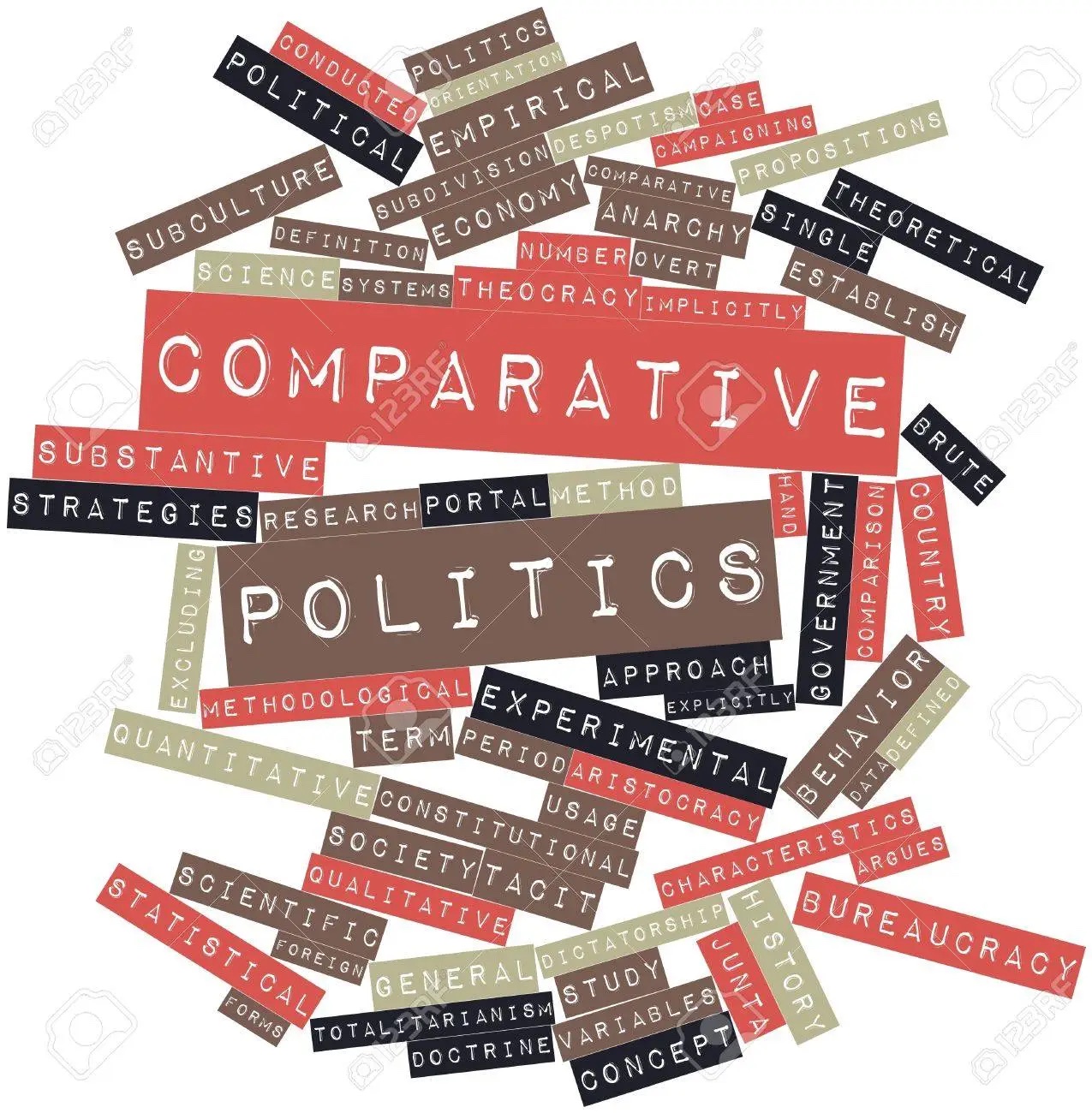
This course will provide students with a firm foundation in the sub-field of comparative politics, preparing them for further analysis of politics around the world and across contexts. The course has two main objectives:
1. To familiarize students with the importance of theory and research design for describing, explaining, and understanding political processes. After taking this course, students should be able to distinguish between different theoretical explanations and evaluate the merit of evidence used to support them.
2. To provide students with an overview of key topics and debates in comparative politics. Students should be able to understand the basis of these debates as well as take and support positions on them.
- Teacher: Shaun Williams
=> INFX 435. Emphasis on query language.
=> INFX 531. Advanced aspects of database management systems, including advanced normalization and de-normalization, query optimization, object-oriented and object-relational databases, data warehousing, data mining, distributed databases, XML, XSL, and databases for web applications.
Graduate students enrolled in INFX 531-001 have additional (and advanced) requirements.
- Teacher: Michael Totaro
- Teacher: Allison Cointot
- Teacher: Ian Beamish
- Teacher: Jordan Begnaud
- Teacher: Samantha Billing
- Teacher: Abbass Braham
- Teacher: Clifton Carmon
- Teacher: Robert Carriker
- Teacher: Andrew De La Garza
- Teacher: Theodore Foster
- Teacher: Richard Frankel
- Teacher: Robin Hermann
- Teacher: Ray Lucas
- Teacher: Michael Martin
- Teacher: Chad Parker
- Teacher: Marissa Petrou
- Teacher: Tyler Quebedeaux
- Teacher: Carl Richard
- Teacher: Sarah Rodriguez
- Teacher: Chester Rzadkiewicz
- Teacher: Kaitlin Simpson
- Teacher: Liz Skilton
- Teacher: Yevan Terrien

- Teacher: Thomas Cline
- Teacher: Sarah Young
- Teacher: James Tancill
You will visit some of the most important museums in Florence and they will serve as our classroom including the Uffizi Gallery, Museo dell’Opera del Duomo, Museo degli Argenti Bargello Museum, Boboli Gardens, Academia, the Fondazione Bisonte, and the Armadillo Atelier to study prints, drawings, and paintings first hand. These locations will serve as sources of inspiration allowing you to develop a greater awareness of the role of drawing and the print has as an investigative process in the development of creative work and it’s use as an expressive means of communication. Students develop a site-responsive studio practice in relationship to the cultural landscape of Florence. We will consider the unique identity of particular sites and structures, land use, and use our experiences on-location to inspire and frame ideas for our work. We will work both in the studio and on-site in the city. Practical and didactic learning will include a complement of methodologies: texts, lectures, films, demonstrations, site visits, field work, and travel to Venice and other sites outside of Florence.
Students will develop a suite of prints through a series of prompts. Ultimately, all students will have the power to make independent work that explores their own visual and media interests. This course will give students a greater awareness of the role of drawing as an investigative process in the development of creative work and it’s use as an expressive means of communication. This course will be divided between working on creative work on location in Florence and utilizing the cities world class museums and galleries and individual work outside of class. Students will also learn how to utilize a sketchbook/journal in the development of creative research, the documentation of the city, and a source for the stimulation and development of ideas.
- Teacher: Brian Kelly
Students in this course will be explore the development and the influence of the Renaissance period in Florence had upon both the art of printmaking and the formation of the new career of printmaker during the late fifteenth century and throughout the sixteenth century in Italy. Students will also be exposed to historical prints and drawings that explore the context of related paintings, sculpture, and architecture, describing a period when printmaking opened up new ways to make a living and transformed the mechanisms of Renaissance visual culture.Students will study works Giovanni Pietro da Birago, Cornelis Cort, Mantegna, Durer, Leonardo, Michelangelo, Donatello, among others from the Renaissance period.
Additionally, students will also read scholarship that surrounds the development of the Renaissance period, its relationship to printmaking, along with the history of printmaking.
- Teacher: Brian Kelly
This course will provide students with a firm foundation in the sub-field of comparative politics, preparing them for further analysis of politics around the world and across contexts. The course has two main objectives:
1. To familiarize students with the importance of theory and research design for describing, explaining, and understanding political processes. After taking this course, students should be able to distinguish between different theoretical explanations and evaluate the merit of evidence used to support them.
2. To provide students with an overview of key topics and debates in comparative politics. Students should be able to understand the basis of these debates as well as take and support positions on them.
- Teacher: Shaun Williams
inspiration and for interpretive exploration. Guided by individual interests and
artistic medium, students will examine and use the city of Italy’s landscape,
museums and culture as sources for creative exploration and research. This
course will give students a greater awareness of the role of drawing,
photography, painting, and printmaking as an investigative process in the
development of creative work and it’s use as an expressive means of
communication. This course will be divided between working on creative work on
location in Italy and utilizing the cities world class museums and galleries.
Students will also learn how to utilize a sketchbook/journal/phone in the
development of creative research, the documentation of the city, and a source for
the stimulation and development of ideas.
- Teacher: Brian Kelly
Students in this course will be explore the development and the influence of the Renaissance period in Florence had upon both the art of printmaking and the formation of the new career of printmaker during the late fifteenth century and throughout the sixteenth century in Italy. Students will also be exposed to historical prints and drawings that explore the context of related paintings, sculpture, and architecture, describing a period when printmaking opened up new ways to make a living and transformed the mechanisms of Renaissance visual culture.Students will study works Giovanni Pietro da Birago, Cornelis Cort, Mantegna, Durer, Leonardo, Michelangelo, Donatello, among others from the Renaissance period.
Additionally, students will also read scholarship that surrounds the development of the Renaissance period, its relationship to printmaking, along with the history of printmaking.
- Teacher: Brian Kelly
- Teacher: Michael Totaro
- Teacher: Camille Bulliard
- Teacher: Michael Crotty
- Teacher: Rumaan Baloch
- Teacher: Christine Williams